

Function:’s FORuM offers Building Product Manufacturers the opportunity to get feedback and input on a wide range of industry needs directly from the A+D audience. Comprised of several well-respected A+D professionals, FORuM will participate in dialogue on a wide range of business-critical topics – from product naming and advertising surveys to messaging, transparency tools, construction methods, designs, components and systems, and more. As a building product manufacturer, you invest millions of dollars launching and marketing new products. Understanding the industry trends, requirements and challenges that influence architects and designers during their specification process is essential to product development and introduction. Equally important is making sure your messages and communications are in line with what your audience needs to know and how they need it delivered. But insight and feedback straight from your audience is not always easy to come by. FORuM, a new service offering from Function:, provides a solution to that challenge. Function:’s FORuM offers you the opportunity to get responses and feedback from the individuals responsible for specifying your products. Comprised of a group of well-respected industry professionals from the architecture and design community, the FORuM will participate in dialogue related to new product ideas, construction methods, designs, components and systems, and more. As part of the process, your questions and requests will be posed to the FORuM. The panel of architects and designers will then collaborate to compile and provide top-level feedback to assist in the evolution of your product/system development. Function: has been immersed in the building industry for more than 15 years, working with both manufacturers and the A+D community to create effective campaigns that drive specification. Through this industry knowledge comes the FORuM – a service that will revolutionize the way you initiate and carry out the product development process. Real answers to real questions. That is the FORuM. For more about the FORuM service offering, email Dana Castle or call 404 524 3075.
: READ MORE Materials Matter: Your Products + Building Codes
Listen to the conversation above.Download pdf of transcript here. What does it mean for your line of sustainable, high-performing building products if in application if they don’t pass a building inspection? Join Jeff Remas, building code official and administrator at TheBuildingCodeForum.com, and Dana Castle, Principal and Director of Strategy at FUNCTION:, for a conversation about building codes and building code officials and why they matter to your materials and marketing plan.
: MORE Architect Q+A #1: How YOU can reach THEMWe asked a group of leading architects how YOU can reach THEM. We’ve found that many manufacturers are challenged with how to reach architects. You told us you can’t seem to figure out how to get information to architects, what information they even care about and even when the point of specification is. We’ve asked our Architectural Board all of these questions and more, so we can continue to help you get your products specified. This Q+A series will feature information from several board members, beginning with Marshall Wilson (link to advisory page on function site), LEED, Assistant Director of Campus Projects for Project Management at University of Maryland. Q. When a project lands on your desk, what is the first thing you do in planning for the products you will specify?A. Evaluate the budget, function, project type/image issues, and functions to establish an appropriate design strategy (i.e. is the challenge to design the best new Scion or the best new Maserati?) Q. Do you use a preferred vendor list for products?A. No, but familiar proven products are often reused from project to project. Q. What resources do you use to find new products?A. Sales Reps and internet searches mostly. Also magazines still play a part. I don’t always read them on-line. Sometimes it is just fun to look and imagine. Q. Do reps that call on you actually influence your selection decision?A. Sometimes, but I am usually very busy and do not take such calls unless I have a specific need. Q. Do green product certifications really matter when it comes to product specification?A. Yes, especially if we are doing a “green building”. However, most product are now boasting of some green relevance so it is not as effective in creating an advantage as it once was. Q. What really engages you with a product brand and keeps you specifying that product?A. Product quality, customer acceptance and approval, quality service Q. What turns you off of a product or brand?A. Overselling attributes, unfulfilled promises, poor service to architects and poor delivery/support for contractors during construction. Also, hidden costs usually associated with “accessories” or installation procedures that are required, but not included in the product presentation. Q. What is the number one thing a manufacturer can do to really get your attention and make you think about them / stay on your mind?A. That is tough. We have so many people coming at us to sell things……all promising to be the best value. It also depends on the product type. Some are image/décor elements and some are functional. So, it depends on how the product needs to be positioned. I suggest that we are always looking for a competitive advantage. Offering a simple BIM interface helps, offering a performance advantage to benefit our customers helps, and getting to the point quickly helps. I don’t have much time for chit chat and fluff. Marshall Wilson LEED, Assistant Director of Campus Projects for Project Management at University of Maryland Marshall Wilson is a registered architect and LEED accredited professional with five LEED certified projects. He has served on the board of directors and as Vice President of BRPH Companies, and as owner and president of Wilson and Associates Architects. In addition, Mr. Wilson has worked with the University of Maryland as the Assistant Director of Campus Projects for Project Management leading a team that manages architects, engineers, contractors and internal campus construction support teams. Mr. Wilson has designed buildings in all 50 US states and five foreign countries, and has also completed over nine million square feet of interior design and space planning projects. His design experiences include buildings for education, hospitality, research laboratories, institutional, industrial, commercial, office and multi-family. His work has won awards for lighting, urban design, planning and architectural design. Mr. Wilson maintains active memberships in the National Council of Architectural Registration Boards, Project Management Institute and the Society for College and University Planning.
: READ MORE Using Social Media to Help #Launch Your Building + Construction Products
Function: 2013 Social Media Webinar Listen and watch the webinar presentation aboveDownload pdf of transcript here. Using Social Media to Help #Launch Your Building + Construction Products was a 1 hour webinar event covering how leveraging social media can benefit the building product manufacturer and increase specifications. The discussion featured perspectives and insights from a influential group of social media marketing experts in the building and construction industy on trends and how they've changed how we strategize in public relations and for marketing product launches. Areas of discussion: • What platforms manufacturers should focus on • How to generate buzz about a product launch using social media• How to find industry "influencers" • Why blogs are critical • When and how many updates are appropriate • How to build relationships when you only have 140 characters • How social media has changed public relations • Why YouTube is great for manufacturers Transcription coming soon! PANELISTS: Enoch Sears (@BusinessofArch), architect, author, Social Media for Architects Steven Thomson (@architizer, @stevenjthomson) social media manager, Architizer Mark Mitchell (@whizardly) BPM marketing strategist, author, Building Material Channel Marketing Dana Castle (@functionatlanta) principal, director of strategy, FUNCTION:
: MORE Seven elements of excellent healthcare marketing strategies [infographic]
Building product manufacturers know vertical markets, like healthcare, are critical to their success in the marketplace. Many will embark on vertical marketing campaigns, but all too often the campaigns lack strategy or substance. The infographic below illustrates the seven interdependent elements required to deploy successful vertical strategies. [ click to enlarge / download .pdf ]
: READ MORE Are you using social media to reach editors?Social media is an open platform for conversation and is often used as a channel for public relations professionals to reach editors, publishers, influencers and other media professionals. Not only does social media allow PR pros to develop more personal relationships with editors, the interactive nature of digital content can increase the likelihood of message retention and result in a mention, or maybe even a feature - but only if these specific goals are kept in mind: 1. Develop relationships with influencers.The best way to get media coverage via social media is by connecting with editors, bloggers, reporters or influencers, targeting contributors in building and architecture publications. Digital and print have collided and everyone is curating content from the digital world for stories. This means editors are participating in conversations and providing a platform for relationship building. Contributing to these conversations with relevant expertise positions a brand as a thought leader in the building and architectural industry, and can result in digital coverage by way of a mention, blog feature, or even making its way to print. 2. Use social media as a tool for pitching.Best practices in public relations involve utilizing social media's interactive atmosphere to deliver messages. Though pitching can be unpredictable in the building product industry no matter how the pitch is delivered and how much time is spent on efforts, a few points to consider in a strategy include: + Staying on target: Staying focused on the building and architectural industry is key. Get to know bloggers and influencers that participate in conversations relevant to the brand. Targeting an editor who often Tweets about sustainable building products would be interested in any expertise on building envelopes contributing to LEED® credits. + Know your target: Because of social media's personal and frequent nature, it's useful to research a media target's social presence. Analyzing their influence reveals what conversations they participate in, which is helpful to reference in pitches.+ Quality not quantity: Sending mass pitches doesn't necessarily result in more coverage than appropriately targeted ones do. Decide on aims based on targets and only pitch to those who are appropriate for the delivered message.+ Be interesting: Social media pitching happens quickly, in real time, and often in 140 character messages. It's critical to be engaging and get to the point as brief as possible. 3. Use creative content. Content is king - and for good reason. Not only does creative content showcase a brand as an industry thought leader, it also has major SEO benefits for lead generation. Creating something that evokes a human experience makes people want to talk about it, share it, or even write about it. For example, using YouTube for case studies. Traditional case studies could be humanized, with a videos series documenting building projects, allowing the actual participants and occupants to tell their stories. Social media strategies like this one can lead to media coverage if it reaches and moves a blogger or influencer. These goals are the foundation for a long-term strategy to optimize social media for public relations and media coverage. The social media world is not flat. Brands do not dictate the conversation on social media but they can join it with the right approach. Function offers best practices in public relations by leveraging social media. Learn more about reaching editors with social media during our social media webinar in August. Details coming soon.
: READ MORE Mistake #3: Product differentiation when launching a product to architectsFailure to differentiate products from the competition during a launch, or over time, is one of the biggest mistakes a manufacturer can make. If a brand does not set itself and its products apart from the rest, an architect will have no basis for specifying it over other seemingly similar products. The architect will then have to base their specification on brand or product familiary, rather than a new product’s revolutionary features. How can this product launch failure be avoided? When determining a product’s differentiators in the architectural playing field, it’s important to think about what would be meaningful to architects: aesthetics, features, product ingredients. What features does this product have that make it great to design with? How can its aesthetics resonate with a certain project type? What types of materials is it made of and how can that contribute to overall sustainability goals? Each of these questions needs to be answered with the most important behind it: How will my answer differ from my competitors’? A differentiator will only be an effective selling point if it is meaningful to the audience. This means that it must be relevant and important enough to matter to an architect considering a particular building material specification. If the client is holding a product in each hand, it is worth exploring the thought process that occurs at that moment. Researching what competitors are saying about its products is critical, but what the conversation architects are having about what they are looking for in a product is even more important.
: READ MORE Leadership Exchange - Outside In: A Look at High Performance Building Facades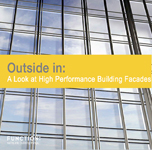
To be a thought leader in the industry, it's key to know your target audience and understand the challenges they often face. But since it is difficult to find the time to research these challenges, FUNCTION: can help do the research for you by providing you industry specific knowledge through Leadership Exchanges that is integral in successful advertising, marketing and PR campaigns. In this recent Exchange we sat down with industry experts to discuss new technologies, products and innovations that affect the overall performance of a building. One of the hottest topics today is the building envelope -- walls, windows, doors and more. Find out how manufacturers, architects and contractors can work together to build more efficient buildings from the outside, in. Leadership Panel Experts: + Blake Talbott, AIA, NCARB, ASTM, CSI, Associate Principal + Quality Assurance Lead at BBH Design +Tom Butler, LEED AP, BPI Building Analyst, Southface Energy Institute (See Tom present on a related topic at Greenprints 2013) +Robert Dazel, AIA, LEED, Marketing Manager for Strategic Accounts Dryvit Systems, Inc. Watch Leadership Exchange video on YouTube Your question didn't get answered? Send us an email at [email protected], and we will reach out to our panel of experts.
: MORE January 2013 Leadership Exchange - Part 2
Were your ears perked by the feedback from Part 1 of our January 2013 Leadership Exchange? If so, we've got more to feed your curiosity. Below are Part 2 questions and feedback highlights. You can also listen to Part 2 by downloading the MP3 link above. Part 1 of the Leadership Exchange can be found HERE. 1. What tools can a product manufacturer provide to you that will help you specify their product? + BIM library + Good website + Binders that offer quick access to product information + Knowledgeable sales rep 2. Do you often design a project with a certain product(s) in mind? + Prefer prorietary specs and products, but not always available and can work around 3. When working on a project with a tight budget, what product category do you go to first? + Construction is construction, so start with finishes when cutting a budget + Allowing clients to shop online for products, such as plumbing fixtures, so budget is loosened up + Start where there are the fewest options of a product and make those selections first, such as flooring 4. If you have a brand of product you are most comfortable using, what might encourage you to try a new brand of the same type of product? What drives brand loyalty for you? + Must have greater or equal value or price + Innovative 5. What are three things a manufacturer can do to make you notice them? + General Contractors like the product enough to refer + Product has a great and easy-to-use website 6. What is one thing a manufacturer can do that will make you roll your eyes? + Claiming that use of product will provide a LEED point + Sales reps with poor installation knowledge 7. Does a call from a sales rep for a product manufacturer influence your specification decision? + Only call to schedule a visit to office + Showing multiple products at once is more enticing to schedule a meeting + Must know installation well -- bring "A game" + Never show same product twice, respect time 8. Does a company or brand that gives back to the community or supports a cause influence your specification decision? + Respect companies that chooses to give back, but does NOT affect specification of product + Choosing to give back is more internal for business than customer facing 9. What are some challenges you run into during product specification, and how can a manufacturer help alleviate those challenges? + Be available! + Great customer service + Coordination with the field, keeping an eye on specs to ensure they are correct 10. What is an original product you most recently heard about and are excited about using in an upcoming project? + Integrated Product Delivery + Products involving technology + Familiar products used in new ways -- exterior products for the interior We know your struggles and challenges because we work with key industry players just like you every day. And through events like the Leadership Exchange, we stay on the pulse of the BPM industry, providing you guidance and strategy to build a better bottom line. Give us a call to set up a discovery meeting and learn how our industry expertise can help you.
: DETAILS January 2013 Leadership Exchange - Part 1
0 0 1 8 51 Function 1 1 58 14.0 Normal 0 false false false EN-US JA X-NONE /* Style Definitions */ table.MsoNormalTable {mso-style-name:"Table Normal"; mso-tstyle-rowband-size:0; mso-tstyle-colband-size:0; mso-style-noshow:yes; mso-style-priority:99; mso-style-parent:""; mso-padding-alt:0in 5.4pt 0in 5.4pt; mso-para-margin:0in; mso-para-margin-bottom:.0001pt; mso-pagination:widow-orphan; font-size:10.0pt; font-family:"Helvetica Neue Light";} Want do architects and designers hope for in 2013? We asked that very question to our new Advisory Board, comprised of architects and designers, looking for insight into their daily challenges and thoughts on topics, such as: + Evolving social media into a useful tool + How Builder Information Modeling (BIM) is being used + Observations on sustainable building practices versus LEED® guidelines + New technologies and trends + Working vendor reps Joined by Shawn and Ed Alshut, Larry Paschall and Tim Sliger (read more about each of them HERE), we asked the following questions for Part 1 of our Leadership Exchange and received some valuable feedback. 1. What is your preferred or favorite method for learning about new technologies or products? + Manufacturer Rep + Webinars + Sub-constractors 2. What are the top three publications you turn to for product and/or manufacturer information? + Range of publications, like Architectural Record and local home magazines + Internet: Forums and articles + Publication apps on iPad 3. How have you integrated social media into your job? Do you follow manufacturers online? + See strong potential, but still searching for the "true" purpose of it in this industry + Misuse by manufacturers, due to lack of education, has discouraged use by architectural industry + Starting to look to as an additional resource used by sales reps + Using FlipBoard to integrate all social media into one, easy-to-use location 4. What new technologies have most changed the way you do your job? + Tag images online to add to digital libraries + Building Information Modeling (BIM) + GoToMeeting and WebEx 5. How has LEED affected the industry over the past 5 years? Is it for the good or the bad? + Overall a positive thing for industry + Brought about a new way of thinking and raised the bar in the industry + However, much like Kleenex® is to facial tissues, LEED is seen as more of a "name brand" of good sustainable design + Influence more to "go local" and "think green" + Tighten building codes in the years to come 6. Are you aware of Environmental Product Declarations (EPDs)? Are they important to you when designing and/or specifying? + Still lack of knowledge on EPDs, especially in the residential architectural industry 7. How do you feel about green product certification? Is there one you look to more than others? + Lots of products claiming to be "green" causing immense "green washing" + Market is inundated with green claims, leading to mistrust of many companies, which may open the door for EPDs 8. Do you feel like any product categories are lacking good product choices? Good sustainable choices? + Overall, most all categories well represented, more about products becoming better and more sustainable 9. What types of ads or marketing efforts make the biggest impression on you? + Online, especially on Architectural Record and Architect, project pages highlighting case studies + Resource pages of project pages + Association articles + For print ad to be noticed, it MUST have great graphics and be well done (Visit our article on The Good, The Bad and The Ugly) 10. Do you find Lunch 'n Learns or webinars valuable? + Webinars are good for time management and can do from office + If product specific, prefer Lunch 'n Learns for an in-person inspection and understanding + Most often participate when a CEU credit is involved You can listen to Part 1 of the Architect Exchange by downloading the mp3 link above. Listen to Part 2 HERE By having everyday conversations with your audience, we are able to develop a unique understanding of their needs, which is what makes us effective in developing the right tools and strategies to get your products specified. Give us a call for an in-depth discussion on how we can help you build your brands and get closer to your audience. 0 0 1 49 282 Function 2 1 330 14.0 Normal 0 false false false EN-US JA X-NONE /* Style Definitions */ table.MsoNormalTable {mso-style-name:"Table Normal"; mso-tstyle-rowband-size:0; mso-tstyle-colband-size:0; mso-style-noshow:yes; mso-style-priority:99; mso-style-parent:""; mso-padding-alt:0in 5.4pt 0in 5.4pt; mso-para-margin:0in; mso-para-margin-bottom:.0001pt; mso-pagination:widow-orphan; font-size:10.0pt; font-family:"Helvetica Neue Light";}
: DETAILS Don’t Get Ignored: Tips From Editors and Media Reps on How to Get Your Stories and Ads Seen
You've created an advertisement that is visually appealing, has all the right messages and addresses the audience appropriately, but then what? When is the best time to place the ad? Why? You want to have your new product picked up by a leading publication, but what is the best way to get the editor to pay attention? What kind of stories are they interested in? How can you get a leg up on the competition? As communications professionals, these are common questions, but really finding the answers isn't always easy. We spoke with several editors, publishers, media representatives and publishing partners from leading industry magazines (ED+C, Building Design + Construction, Metal Architecture, Architectural Products to name a few) to get a list of "do's and don'ts" when it comes to working with media and creating an effective advertising strategy. To answer these questions, and more, we spoke with several experts in the publishing industry to get their perspectives on how you can best plan your strategy. In the two Q&A's partially below (and available for full download above), our panels of experts - all of whom have been in the industry for many years - offer advice based on their in-depth knowledge and experiences. Sales Rep + Publisher Panel: Tim Shea (TS), Managing Partner with Architectural Products Magazine Architectural SSL Magazine, Illuminate Magazine and NZB - Net Zero Buildings Magazine Gary Redmond (GR), Owner, Director of Publishing Operations for Architectural Products, illuminate, Architectural SSL and Owners/Operators of the ArchLED Conference & Event Karrie Laughlin (EDC), West Coast Sales Manager, ED+C Magazine and Carrie Halbrook (EDC), East Coast Sales Manager, ED+C Magazine Scott Cunningham (SC), Business Development, Commercial Building Products Magazine Jodie Cook (JC), LBM Journal Michael Stein (MS), Integrated Media Consultant - Building Group, SGC Horizon LLC, Publishers of Building Design + Construction, Professional Builder, Professional Remodeler, Custom Builder, Construction Equipment What are some emerging trends advertisers can take advantage of? (In print and online). Architectural Products: The trend we exploit, and always have, is the architects' need for good, quick, reliable information, obtainable easily at their desk. Nothing can impart more product information in a short time frame more effectively than a well-crafted product publication. The 'trend' to keep in mind is the need to capture interest with brevity and quickness and in a compelling manner. ED+C: In print you can run a belly band or a corner-cut to catch the reader's eye before even opening the issue. Online trends include: eNewsletters Left of cover sponsor in our digital edition CEU article sponsorship Belly band or corner cut digital edition Commercial Building Products: I think that print serves as the gateway, and if the publication "does it right" and calls out the "digital extras" in their print edition, readers will understand that the print version is the quick read. It leads them to subjects of their interest, and they understand that much more information can be obtained when accessing the publication's online product. LBM Journal: Product Knowledge videos, QR codes (especially for the installation videos), Green certifications are still very relevant and lucrative. Advertising online is also an emerging trend, especially in eNewsletters because those ads go directly to the inbox of readers. Professional Builder: We are seeing a lot of success in doing a balanced integrated approach. It is not about just one media option, but all options. Another tread is the success of our in-person programs. We have been helping clients get in front of our readers in specific regions around the country. This helps them make a one-on-one connection to our reads. Online is the success of our videos and e-mail blasts. In print, the ads work best as a first point of discovery. Keep them tight and with very little copy and to the point. Let the readers take the next step to the web etc. DOWNLOAD REMAINDER OF REPORT ABOVE Editor Panel Panel: Derrick Teal (DT), Editor, ED+C Marcy Marro (MM), Managing Editor, Metal Architecture, Metal Construction News Katy Devlin (KD), Senior Editor, Glass Magazine What three things would you tell a marketing or public relations professional NOT to do when reaching out to media? ED+C: Follow up an email with a phone call. Send more than one follow-up email. Get my name or the magazine's name wrong. Metal Architecture: Make sure you know the market of who you are reaching out to. More than anything, it always bugs me to get story or product pitches for something unrelated to what we cover. Glass Magazine: Don't submit poorly written or long-winded press releases. Cut and dry, 1-page releases are the easiest to convert into product and news items. - Don't submit a generic announcement. Knowing where you think the item should run in the publication will greatly assist the editor. - Don't submit too many releases at once. Most publications are limited as to how much information that will print about a specific company in each issue. Don't submit six product releases in one week, but rather, space them out through the month or even year. (Or, combine several releases into one). DOWNLOAD REMAINDER OF REPORT ABOVE
: READ MORE The Good, the Bad + The Ugly
You’ve seen them... the really good ads, and the really really bad ads. Take a look at the ads you produce and ask yourself where they fall. Hopefully not the latter. There are many components to an ad, and what may look like a simple one-page ad is really the result of very detailed thought and a thorough design process. Here are some tips to make sure you’re making the most of your advertising spend. Publication Analysis Consider the publication. If other advertisers are promoting their building products, and they’re all using images of buildings, don’t be a “me-too.” Differentiate yourself. Stand out. People notice the unusual, but don’t go overboard. It’s a fine line to maintain, and some publications and audiences warrant it more than others. Consider Your Audience Speaking correctly to your audience is vital. Are they mostly men, women, intellects, engineers...this helps define the tone to use for both visuals and headline. What appeals to them? You speak very differently to a contractor than you would an end-user or architect. You want to convey what matters most to them. The Lure If you can’t get them to stop turning pages, forget the rest of this list! Luring them in can effectively be done through both concept and visuals. Make them do a double-take. + Headline – A strong headline can lure them in. Sometimes it can be just one word, or it can be a statement. Whatever it is, it must be powerful enough to stop them. + Dynamic image or graphic – Some ads stand out with a visual alone. It can be beautiful, illustrative or emotional, but it must be powerful enough to stop them. + Color – This is important when considering the pub. If it’s an environmental pub, avoid green! In many cases, its some of the simplest and boldest ads that draw attention. Hierarchy + Get to the point - Clear and concise messaging. Remember, you have a maximum of three seconds. Don’t try to write a journal. You want them to search you out for more information. + Get them to understand WHY they should buy your product or company, not what they should buy. What is the WHY that is important to that audience? + Keep it simple. In an ad, LESS IS MORE. Don’t confuse them with multiple images and messages. Call to Action This is one of the most important elements of the ad. They’ve seen your ad, and like it – now what? Drive them somewhere! Preferably to a specific landing page on your site through a dedicated URL. Here you will be able to further educate them on your product on a more interactive level. 0 0 1 44 252 Function 2 1 295 14.0 Normal 0 false false false EN-US JA X-NONE /* Style Definitions */ table.MsoNormalTable {mso-style-name:"Table Normal"; mso-tstyle-rowband-size:0; mso-tstyle-colband-size:0; mso-style-noshow:yes; mso-style-priority:99; mso-style-parent:""; mso-padding-alt:0in 5.4pt 0in 5.4pt; mso-para-margin:0in; mso-para-margin-bottom:.0001pt; mso-pagination:widow-orphan; font-size:10.0pt; font-family:"Times New Roman"; mso-fareast-language:JA;} Leverage Your Brand Even though you want each ad you run to look fresh and new, you also have to make sure they recognize your brand every time. Repetitive branding is very important to establish strength in advertising. Consistent formatting, tono, logo placement and corporate colors are key.
: READ MORE Connect. Inform. Act.
Business is about making connections. It's who you know and connecting them with what you have to offer. And that is what Function: does - connect building product manufacturers with architects to increase brand awareness and build the bottom line. We connect through marketing, advertising and public relations. We do the research, attend the tradeshows and are active in the industry groups. We meet with architects, learn their needs and the issues that are important to them, and create comprehensive plans that inform manufacturers and allow them to act on those needs. Connections are critical. Function makes those connections and ensures you have the information you need to act. Email [email protected] to get your little black book of connections today.
: READ MORE Strategic Marketing Tips: Developing + Managing Your Media Content
With so much going on in the business world, from meetings to conferences to the daily grind, time can easily be swallowed up. It’s difficult to find time and energy to develop new and exciting ways to gather media content for the web. And, even if you’re able to gather content, what do you do next to communicate the information to your audience? In this first edition of "Strategic Marketing Tips" we touch on a few easy ways to obtain relevant media content and how to manage it effectively.
: MORE Expert Marketing Tips for Decking BPMs
1. Attack the Market at a Regional Versus National Level Define a manageable amount of key regional markets, approximately six to eight, and focus on those. Advertising is more affordable at a regional level and provides a one-on-one approach that results in more effective sales. In essence, a targeted focus provides targeted results and ultimately provides better value and tracking of your budget. 2. Align with Common Partners at Regional Levels Build alliances with other hardware/tool companies and builders. Working together towards a common consumer will significantly increase your reach. 3. Develop Loyalty with Contractors Loyalty programs have proven to be effective. Provide contractors a reason to use and promote your product, such as a group coupon type campaign. Cross-promote high-use contractors on your site and in case studies to further increase loyalty with other contractors. 4. Diversify Media Spending Look to less traditional media markets, shifting focus from print ads to online, cable TV, or radio. These markets provide the option of an immediate call to action, as well as better user tracking. 5. Cultivate a Strong Online Presence Your website is your most valuable tool! Once there, users should easily be able to find what they are looking for, such as products, installation information, and specifications. Implement a deck-building tool to easily assist contractors in selling the product to consumers or for consumers to shop directly online for DIY projects. Additionally provide consumers the option to locate a contractor who has used the product before. 6. Generate Events Connecting the Builder with the Consumer Support neighborhood block parties at the end of an installation to gain neighbor interest. Or, create events with distributors to showcase the product to contractors.
: READ MORE Interactive Design
A scene in the film Minority Report shows a flat screen TV greeting customers at stores with personalized ads. The Hunger Games’ notorious capitol society relishes in personalized and interactive commodities. Though both films are set more than 50 years into our future, the idea of interactive products and technologies is already emerging in our marketplace. Similar to Minority Report, Immersive Labs, out of New York, has created anonymous face recognition software, Cara, that analyzes viewers by various demographics and assists ads in automatically changing based on those trigger agents. A case study of the software was recently conducted at the South By Southwest Music Festival in Austin to deliver real time face recognition stats – over 44,000 faces were detected. The idea that ads can be tailored to specific customers in real time is groundbreaking, as well as game changing. Imagine shopping at your local big box hardware store for lumbar. As you reach for a 2x4, a voice speaks to you – “Mr. Jones perhaps you should consider purchasing {insert brand name} nails to go with your lumbar selection today.” It seems interactivity has become the buzzword for product design as well. Manufacturers are asking themselves how can they engage their users beyond the normal and expected standards. Carnegie Fabrics did just that with its new Illusion textile line that actively engages their client through a holographic design. The idea sparked from a piece of shot silk iridescent taffeta and eventually morphed into weaving contrasting patterns and colors of acrylic yarn. Mary Holt, an executive vice president of Carnegie’s creative team said, “We want people to say, ‘Oh, remember that cool place where the fabric changed when you walked around it?’ This is a fabric that really makes a statement.” Another statement maker is from Architects Paper, a German wall-covering manufacturer. They recently introduced LED wallpaper by Ingo Maurer. Essentially using a parchment thin circuit board, a space can come alive with colorfully lit patterns, leaving infinite possibilities for customers to customize. The central idea of this trend is to expand your thought on how to engage your end user beyond conventional thought. When planning your next advertising campaign, consider how your brand can strategically interact with your customer in order to make a memorable statement – whether it is in the product design itself or a clever way to advertise. What once may have seemed impossible, perhaps even unfathomable, is becoming realistic with new technologies.
: READ MORE Transparency to Specification – Translating Sustainable Product Claims
Function: Construct Knowledge Series Spring Webinar Listen to Part 1 of webinar from the download above Watch Part 2 of webinar by clicking HERE Transparency to Specification was a two-part Construct Knowledge Series webinar event covering how emerging trends such as Environmental Product Declarations (EPD) and Life Cycle Analysis (LCA) impact product specification. The discussion featured perspectives and insights from a diverse group of industry professionals who are experts in their respective fields. In addition to EPD’s and LCA’s, the discussion also covered other topics such as green product certifications, the progression of LEED, carbon footprints, embodied energy and other topics impacting how products are specified. Areas of discussion:• Green product certifications• How EPDs impact product specification.• Which design phase are LCAs considered?• Progression and impact of LEED• Carbon footprints• Embodied energy• Objective product comparisons• Greenwashing, ambiguous product claims Noteable Quotes from Webinar: Kate Simonen “It [EPDs] will grow to be an accepted or expected parted of good industry performance.” “EPDs and LCAs are really the international standard method of getting data and information from research to practice.” “EPDs provide a more transparent and technically robust method of reporting a product’s environmental impact. “Just because a product has an EPD doesn’t mean it is an environmentally preferable product. There is a lot of dialogue right now essentially alluding to the fact that if you have an EPD then you have a green product, and that not just the case. EPD is an equivalent of a nutrition label for food. Just because food has a nutrition label on it doesn’t mean it’s healthy for you. But if you read lots of nutrition labels you can understand that at certain times some foods are better for you than other times. There are many different criteria for nutrition labels just like there are many different criteria on an EPD. “ Derrick Teal “I think the whole point of getting an EPD is to show you don’t really have anything to hide.” “I think that once LEAD v4 is introduced you’ll see a lot more EPDs being specified or products of EPDs being specified…” Heather Gadonniex “Having an EPD at this point, particularly in North America, really demonstrates true sustainability leadership.” “They [EPDs] are easy to understand and they are credible, which I think adds a lot to the validity of the tool.” “If you are looking at product literature, there is no guarantee that those claims are third party verified. But if you have an EPD, there is essentially a seal of approval saying, ‘OK, this document has been reviewed by a third party program operator.’ Not only has the LCA been verified, but the actual content of the EPD has also be verified against the product category rules.” “The end user of the EPD encourages the use of more environmentally friendly and sustainable products, ultimately driving product development, innovation and the manufacturing process.” Francesca Desmarais “Without an EPD, architects and specifiers are in the dark about the comprehensive environmental and health impact of that product.”
: MORE Building Envelope Trends
Function: remains engaged with our clients target audiences to better understand their habits, thought processes and to stay ahead of industry trends. This enables us to create on-target messaging that resonates with our clients' customers and be a guide for product manufacturers in the rapidly changing landscape of the building and construction industry. Here are some things we've been hearing lately: “Energy Efficiency is mission critical for design projects.” “Designing buildings with superior air, moisture, water and thermal performance is the most important thing right now and will only become more important.” “There are two big challenges in construction. First of all, making it stand up. And then the other thing is keeping the water out because water just tends to wreck everything. So controlling the movement of moisture is primary because once you get water into something, all bets are off.” “The change that has had to most impact on how we design is not using the old library of product catalogs. Now everything’s online and when we’re looking for product we contact the company directly.” “Construction firms being pushed to meet shorter deadlines due to fierce competition which negatively impacts quality of buildings.” “BIM is changing the way the industry works – integrating systems between design and mechanical engineers – who are fighting tooth and nail on the use of Revit. There’s hydrothermal software for buildings helping professionals gather and analyze data. And other software modeling like WUFI. This will help the big push to retrofit existing buildings to make them more efficient.” “Trends I’m seeing are first, creating higher R-Values, and second sourcing products that are renewable with a low carbon value.” “VOCs are an emerging issue – think about it, you don’t see any old painters around do you?” “Keep the water out - Water, air and water vapor all create health problems, destroy R-Value and impact the structural integrity of the building.” “One thing that would be helpful for architects would be some method of not only education of how moisture and air management systems work in conjunction with each other, but also the tools that show you what works and what doesn’t. Some of the data that is available on building performance, you can’t interpret. I have no idea what the end analysis means – I have all this information but no indication of whether a system works or not or where the potential for failure is.”
: READ MORE Function: Announces New Customized Strategic Roundtables
In the age of social media, smart phones and online meeting tools, many people find themselves yearning for face-to-face interaction. Companies who put extra effort into personalizing customer communications and services outperform those who don’t. In fact, 81 percent of companies with strong capabilities and competencies for delivering customer experience excellence are outperforming their competition. But delivering the best customer experience can be challenging when communications are limited to surveys or feedback from sales representatives. Function: is introducing a new service offering that can help take your customer relationships to next level – Face-to-Face. Designed to offer manufacturers more strategic face time with their customers and target audiences, Face-to-Face is a series of roundtable sessions customized per audience and client. Not only do Face-to-Face sessions bring manufacturers and their audience together in one room for in-depth discussions about goals and address challenges, Function: also works with you to develop content based on information gathered at the sessions and create marketing or sales tactics to help improve business and further address customer/audience needs. How it works: • Function: will work with manufacturers (residential or commercial) to organize three* sessions in key market cities throughout North America. - Sessions are recommended to be two-to-three hours in length with 8-10 audience participants per session. • Each session is custom designed with the client in mind in order to mine what information they want to receive from their customers/audience. Function: will work with manufacturers to develop discussion points and meeting content – product or brand specific. • Customer and participant invitation lists can be supplied by the client or Function: can work on procuring the best audience (architects, builders, contractors, etc.) in selected cities. Function: will develop invitation and marketing materials for each event (eblasts, direct mails, etc.) • A Function: representative can moderate each session. Following each session Function: will outline key points and create tactics that will help drive marketing and sales content, ultimately helping define near or long-term business objectives. Face-to-Face provides a truly unique opportunity not only hold in-depth discussions with audiences that matter, but also take what was discussed during those discussions and create effective tools that will improve your business in the future. Customers want to be heard and showing them that not only are you actively listening, but proactively seeking their input takes customer relationships to the next level. For more information and to contract a session for your business, contact Ted Hettick via email or at 404.524.3075 ext. 15.
: READ MORE Lifecycle Building Center Opens in Atlantaby Carl Seville, GBA Advisor This new non-profit has a solid pedigree and lofty goals Image 1 of 4 Adam Deck, the director of the center, introduces the facility at the grand opening, with help from several board members. I recently attended the grand opening for the Lifecycle Building Center (LBC), a new non-profit organization focused on building material reuse. The result of long hours of labor by many dedicated people, the LBC’s stated mission is to “make the lifecycle use of the built environment more efficient and sustainable.” Currently established as a subsidiary of the USGBC Georgia chapter, the center's ultimate goal is to be an independent organization that is fully self-sustaining. The LBC has an impressive board of directors, including professionals from Perkins + Will, Southface, the Georgia Trust for Historic Preservation, Skanska, and HOK. Currently an all-volunteer effort, they have already begun collecting surplus building products and are starting to sell them for reuse. Community revitalization goals The center is located on the Atlanta Beltline, a 22-mile loop of mostly abandoned rail lines that is currently being developed into a transit greenway consisting of trails, parks, and a future transit system that will connect many of intown Atlanta’s neighborhoods. The center's founders hope to play a role in the development of underutilized properties adjacent to this corridor. They are also planning local community outreach efforts, including hiring residents to work there as well as teach building skills to people in this somewhat down-at-the-heels part of town. A great building LBC is located in a small warehouse building that is attached to a beautiful 1914 factory building that they plan to take over as they grow. The building covers 72,000 square feet of space, and is little changed from its early days as a factory. The building includes operable clerestory windows and floors made of wood pavers. There are plans in place to certify the warehouse under the Living Building Challenge – a very lofty goal. I am skeptical (is anyone surprised?), but I look forward to seeing how this develops. Big challenges Atlanta has never been a great place for recycling and salvaging building materials. Historically, landfill fees have been low, handling costs high, real estate values always increasing, and the demand for previously used materials low. As tipping fees rise, labor prices drop, and real estate values remain low, I expect that there will be more demand for salvaged products. This model has been successful in other markets, and I have high hopes that it can work in Atlanta. It will be neither easy or fast, but I think the time is right for LBC to succeed
: READ MORE It's Alive! Studying the Living Building ChallengeCarl Seville, GBA Advisor It isn't easy to meet the energy and water requirements set by the LBC The Living Building Challenge uses the flower as both its logo and inspiration for their transformational building certification program. I spent most of a day recently in a seminar on the Living Building Challenge (LBC), a self-described philosophy, advocacy tool, and certification program for sustainable building. If people outside the industry think that existing green building programs are pie-in-the-sky and touchy-feely, put together by granola-eaters, then they are going to have to adjust their scales for the LBC. Currently in its 2nd version with a new release planned for 2012, it does have many similarities with other green certification programs, although it is in some ways both simpler and more complex than anything else in the marketplace. Forget sustainable — how about restorative? “Green” is often used interchangeably with “sustainable,” and neither word yet does justice as a name for what we are all working towards. In a lecture many years ago I heard Michael Braungart discuss his problem with the word “sustainable” by asking the audience if they were asked how their marriage was doing, would they want to respond “sustainable”? He advocated for moving towards a restorative model, and this is what the LBC is doing. Their goal is to create structures that not only have a lower impact on the environment, but change the paradigm of how we build so that those structures become restorative to our ecosystems. The creators believe that over the past 200 years we have used technology to separate ourselves from the environment and now it is time for us to reconnect with it. Probably the key difference between LBC and all other certification programs is that certification is based on a full year of building operation instead of estimated or modeled energy and water use. The flower as guiding principle The LBC is broken down into seven “petals,” each with a subset of twenty “Imperatives.” Projects are separated into four typologies: Neighborhood, Building, Landscape and Infrastructure, and Renovation. Building is the most common, covering all new buildings and any work on existing buildings exceeding minor improvements; those are covered by the Renovation typology. Landscape and Infrastructure are unconditioned projects that do not include physical structures as the primary program, although they can include park-like structures such as amphitheaters, restrooms, roads, bridges, and sports facilities. A Neighborhood includes multiple buildings in a single campus, drawing heavily on the principles of New Urbanism. The first five petals look very similar to categories in many traditional green building programs: Site, Water, Energy, Health, and Materials. While in last two, Equity and Beauty, the LBC appears to differentiate itself, many of the imperatives push the envelope the furthest. “Imperative” is another name for requirements or prerequisites, so familiar to those certifying green buildings. As in other programs, imperatives are required, except for certain exceptions, based on project type. For example, Neighborhood and Building typologies require that all imperatives be met. Landscape and Infrastructure are exempt from four and Renovation is exempt from seven. Finally, LBC classifies projects in one of six “Transects,” a variation on those created by New Urbanism. They include Natural Habitat, Rural Agriculture, Village, General Urban, Urban Center, and Urban Core. Each of these transects affect the specific requirements of each imperative. For example, one imperative requires including food production on site, with the portion of the site devoted to this agriculture ranging from 80% in the Rural Agriculture transect to 0% in the Urban Core. You say prerequisite, I say imperative What appears to be the simplicity of the LBC is the list of 20 Imperatives which (with certain exceptions as mentioned above) must be met for certification. There are no points to add up nor different levels of certification (although partial certification is now available); you either make it or you don’t. This does, at first glance, appear simple, but there are many exceptions and interpretations of imperatives. These serve to both make the program more accessible to ambitious projects that otherwise wouldn’t meet certification as well as to make it more complex that it first appears. I won’t list all 20 Imperatives in this article — you’ll have to go to the LBC website for that — but I will review some of the key ones, and how they are interpreted. In my mind, the most important imperatives are #5, Net Zero Water, #6, Ecological Water Flow, and #7, Net Zero Energy. Net zero water means just that — the project must have a closed-loop water system that uses rain and wastewater for all potable and non-potable water on the site. Interesting exceptions to this lofty goal include drilling an on-site well, or, if after submitting a complete water capture and reuse design to the local jurisdiction you are turned down, a project is allowed to use an outside water source. Ecological water flow is sort of the opposite of net zero water. All storm and sanitary discharge must be managed on site. No physical connection to a municipal sewer system is allowed. If the codes require a sewer connection, you must install a valve so you can disconnect after project is completed. Options to meet this imperative include installation of a septic system or an on-site sewage digester. Finally, Net Zero Energy means what it says (including no combustion equipment allowed in the project); however it is more rigorous than the common definition. Renewable power must be generated on-site, not purchased from a local utility. Exceptions for this imperative include fuels cells powered by hydrogen created from electrolysis, recreational fireplaces in certain institutional projects, and biogas created on-site used for cooking fuel. Slow and steady To date, there have been three buildings certified as Living Buildings, one residential project Petal (partially) certified, and several projects in their first year of occupancy phase. My biggest concerns with the program is that there is, at this point, very little guidance through the process, although they are starting to offer consulting to project teams, and a lack of attention to the actual building process. We were told of one of the certified projects that had much higher than projected energy use during the occupancy phase. Investigations showed that there was missing insulation in several key areas, which, when corrected, resulted in the building meeting its goals. It sounds like the team may have had more ambition in taking on this program than actual high-performance building experience. At the end of this seminar, I definitely had a much better understanding of the LBC, and certainly appreciate the effort that has gone into developing this program. As was stated at the beginning of the day, their goals are to inspire and change the building paradigm, something that they are working hard to do. The LBC looks as much like a political movement as a building certification program. Their impact will most likely be limited for the foreseeable future, but it will be interesting to see what influence they have on design and construction over the next few generations.
: READ MORE Consult Your Gut When Choosing an Architect – Dallas Architects ExplainBy Laura Davis, AIA, Dallas Architect There’s more to choosing an architect than what you’ll see in a résumé or proposal. Dallas Architects, Laura Davis, AIA and Larry Paschall, AIA offer 5 questions to ask an architect when starting a new project. Whether it’s a remodel, addition, or an entire new building, the idea of beginning a new construction project can awaken the flutters of butterflies in your stomach. There’s a lot to think about. Choosing the right architect to guide you through all of those decisions, can make or break a project. Imagine interviewing architects as if you were looking for a partner on an online dating site. He or she may look like a good match on paper, but if there’s no chemistry when you meet in person, asking them to describe their design philosophy isn’t really going to matter. You will be spending a considerable amount of time with your architect and if you aren’t comfortable or confident, it’s not going to be a fun project. So here’s how we recommend you approach the first interview with an architect: 1. Ask the architect to sit down. On a recent interview we walked in the door and immediately the home owner started taking us on a tour of the house. Forty-five minutes later, the owner asked, “How hungry are you?” (She was not asking us if we were ready for dinner.) In our ears we heard, “How cheap can we get you?” Had that happened in the first 15 minutes, we could have saved us and them a good hour and said “No thanks.” When inviting an architect to interview, ask them to sit down for a few minutes and just have a regular conversation. It’s a great way to find out whether or not the architect and you are going to be a good fit for one another. Save the house tour for later. 2. Ask the architect to put away any brochures or portfolio. As architects, we will be the first to admit that we love doing the dog-and-pony show. We are more than happy to bring out our portfolio and show you all of the wonderful work we’ve done. But that’s not really the point. We’re there to find out about you, and to answer your questions as they come up. Not to show you what we can do, when we’re not even sure what it is you really need. Chances are you’ve already looked at their work online if they have a website, so you probably like the type of work they are capable of producing. 3. Ask about their background. Get to know your architect. Find something in common that will help you to relate to each other. Ask about their family, where they’re from, and where they went to school. Ask how they became an architect and about what topics are they passionate. When I was in high school my parents interviewed architects to design our house. Turns out the one they selected was an avid fly fisherman and his wife was a school teacher… just like my parents. Our families have been friends ever since. I babysat for their two sons and even worked a summer internship during college at his office. There is much to be said for the value of knowing from where your architect comes. 4. Ask about experience with your type of project and locality. You want as few surprises as possible during the design and construction of your project and an architect who has “been there, done that” is good to have on your side. Ask how familiar they are with local codes, zoning, ordinances, building inspections, etc. Resist the urge to ask your brother-in-law, who may be a successful large-scale commercial architect, to design an addition off the back of your house. That’s not to say he couldn’t handle it, but chances are that he’s not going to have relationships with the right kind of consultants and contractors specializing in residential projects. And he may not know of the pitfalls to expect and avoid with that type of project. 5. Share information about yourself. Don’t be afraid to share the emotional side of project. By letting your prospective architect know how you want to feel in the space and what you hope to accomplish by completing the project, they will know better how to help you. Dive under the surface of “I want a new master bath” to find “I need a clean, calm sanctuary that is all mine so I can relax and soak away the stress of the day because then I can sleep better and be a better mom to my kids.” In the interim, we might suggest a Xanax and a vacation, but we can also then fine tune the lighting, space planning, sound insulation, materials, and storage (…might we suggest a wine refrigerator?) in the new bathroom to give you the sanctuary you desire. When it comes down to selecting your architect, do your homework and go with your gut. You will think with your head, but decide with your heart. Choose someone you know, like, and trust. If you haven’t found that person yet, keep looking. --- To hear more on this topic, listen to the episode, “The First Interview” of The Architecture Happy Hour podcast on iTunes. More Resources: The American Institute of Architects (AIA) has several on-line brochures that can guide you through the decision-making process. You can find the brochures at howdesignworks.aia.org. Dallas Architect Laura Davis, AIA is a vice president and director of marketing at HPD Architecture LLC. She and her partners offer custom design services for residential, commercial, and institutional projects in Dallas and the North Texas area.
: READ MORE Affordable Housing is Leading Green BuildingBy Carl Seville, greenbuildingadvisor.com How I learned more than I expected at an affordable housing conference I recently learned that in Georgia, as well as much of the rest of the country, Low Income Housing Tax Credits (LIHTC), the fuel that drives much of the affordable housing industry, strongly encourages green building certification for projects that obtain these credits. Without this connection to tax credits, we would see many fewer certified green homes and apartments, and these affordable developers would not be the leaders in green building that they are today. Realizing that this segment of the housing industry is one of the few seeing much action, I recently attended the annual conference of the Georgia Affordable Housing Coalition (GAHC) in beautiful and historic Savannah. Funny money? I met a lot of great people at the conference and learned more than I wanted to know about the financing of affordable housing deals. Being a sticks-and-bricks kind of guy, I never paid much attention to the intricacies of project financing, and more specifically, the role that tax credits play. The beginning of my education on the subject started with a casual conversation about power company rebates for multifamily projects. I was chatting with a developer and mentioned that a project I was looking at was eligible for about $300,000 in rebates for energy-efficiency improvements. His response was, “How does it affect his basis?” Being a logical, straightforward sort of person, it never occurred to me that getting cash rebates for building renovations could somehow not be desirable. But I was mistaken. It seems that the tax credits on affordable projects are based on the depreciable basis in a project and they are available for a ten-year period following construction. Developers can use these credits to offset income, or if they are non-profits, they sell them to other entities for cash. In some cases, it is better to not receive rebates and other incentives as they may have less value than the tax credits they displace. There are apparently teams of accountants and consultants that run these numbers for developers, helping them figure out the best way to maximize their profits. More green building knowledge needed OK, enough high finance for me. What really struck me at the conference was that even though almost everyone there was involved in green building through having projects certified, there was remarkably little in-depth knowledge of the subject. While I consider myself pretty knowledgeable on the subject, at most conferences I find myself somewhere in the middle of the green building knowledge spectrum. At this event, I was pretty much the only expert in the crowd, something I found both fun and frightening. One panel on green building included a construction manager who was clearly out of his element on the subject. He made several incorrect and misleading statements about various insulation products, leading me to speak up and clarify his points for the audience. He really got my back up by pointing out that fiberglass batts are so much less expensive than spray foam that it’s hard to justify the extra expense. When I pointed out that when you look at overall building performance, and the work required to get different insulation products to perform to equivalent levels, then the costs are much closer, there was, thankfully, acknowledgment that first costs are not the only factor to consider. Strutting my own stuff I was on a panel with a geothermal contractor, a large PV installer, an architect, and a representative of a local affordable housing agency. Most of the questions involved the complexity of making PV and geothermal work on affordable projects, how the incentives affected their basis, and net metering and feed-in tariff issues. I was given an opportunity to rant a little, and as I wrapped up my points on existing buildings, suggesting that implementing measures like retrofitting wall insulation, window replacement, and HVAC equipment replacement without first improving ductwork were generally bad strategies (in the South at least), the moderator cheerily thanked me for contradicting everything they had learned in their careers. At this conference I learned quite a bit about how the affordable housing industry works, met lots of nice people, and made many good contacts that may lead to some future work. It is encouraging that so much affordable housing is certified green, and even though they are not necessarily the most knowledgeable green builders, they are certainly helping move the industry forward while providing healthy and efficient housing for our most needy citizens.
: READ MORE The Return of ModernBy Megan Tinkler, meganleanne.com Often times the term “modern design” is misused and misinterpreted by the general public. It is thrown around casually to describe what many may think is new, while what these people are really referring to is “contemporary design.” Modern design by definition is indicative of the mid-20th century, ranging from the mid-1930s to the late 1960s. This era of design was ground breaking, as well as rule breaking. No longer were men monopolizing the design world, but rather women, like Eileen Gray, Florence Knoll, and even Ray Eames, began to emerge at the forefront of the design community. Additionally, new building materials, such as tubular steel and glass, were introduced in both commercial and residential design settings. The phrase “form follows function,” coined by Louis Sullivan in 1896, truly began to take shape during this period of design and influenced a multitude of designers and architects worldwide. Growing up in the South during the 80s and 90s, modern design was few and far between. As I toured show homes and read Southern Living and Veranda, the homes and glossy pages were filled with images of heavily carved wood settees, gilded leaf trim, and chintz floral and paisley. After graduating with a degree in interior design in 2005 from the University of Georgia and working for a few years in Atlanta, I grew tired of the heaviness and over-complexity of this design aesthetic. I yearned for a more simplistic and honest sense of design, and soon left for Washington DC, throwing myself into a mixed bag of design, ranging in ethnicity and culture. At the same time, a new TV show highlighting the 1950s and 60s in New York took off, captivating the minds of a generation who had never experienced such a whirlwind of streamlined, tailored, and wrist glove-wearing imagery. Of course I’m referring to AMC’s Mad Men, which has won multiple Emmys and Golden Globes, while at the time its vintage modern style has influenced contemporary clothing, furniture, and product design throughout the world. Recently Banana Republic introduced its new “Mad Men Collection,” and places like Design Within Reach and Room and Board, which offer modern furniture, have seen an upswing in 20 and 30 year olds flocking to their stores to snag a piece of the past to feather their new nest. Like most things in life, interior design is cyclical, so I’m not surprised to see modern design resurface as the new hot trend and “must have.” Yet at the same time, it is not trendy or faddish because these designs have withstood the test of time, just like your grandmother’s Chippendale dining suite. Vintage Mid-Century stores are popping up all over the country, stocked with Eames Lounge Chairs, Platner dining tables, and Saarinen Tulip chairs, while even big box furniture stores, like Crate & Barrel and Restoration Hardware, are beginning to mimic these designs in their new collections in order to leverage their customers’ demand for modernism. Since returning to Atlanta, I have developed an extreme love affair with this era of design and often find myself scouring the city for Lucite wine buckets, Bertoia Chairs, and teak legged sofas. I even sometimes wish hats and gloves would come back into style so I could act out my own “Mad Men” scene while sitting on my Paul McCobb sofa, cocktail resting on my Noguchi Coffee Table, and admiring my new C. Jere metal sculpture above my mantle. But it’s not just the pure look of these pieces that make them great, but also the quality construction and classic timeless that makes modern design so desirable. Now while practicing design in the South once again, I am still faced with those who claim they only like traditional design, which I believe is mainly due to growing up in homes full of wing backs and colonialism and their lack of exposure to otherwise, but I digress... Yet, I have found ways to introduce classic modern pieces into my design, and because modern furniture often possesses such a simple and clean profile, it has become effortless to do so. So here’s to modern design’s comeback, seducing the hearts of Americans one “Mad Men knockoff TV show” at a time! Examples of modern e-design by Megan Leanne Interior Design.
: READ MORE Mobile Applications in the Building and Construction Industry
Two-thirds of architects and designers, contractors and builders are using mobile apps. But out of those, what percentage are using mobile apps for business purposes? And what are the must-have features these audiences look for in a mobile app? Our latest market research will help product manufacturers better understand how to reach their target audience through the mobile space. Function: reached out to 25,000 product selection decision makers and asked them about their use and opinions of mobile apps and technologies, like QR Codes.
: READ MORE The ABCs of Product MarketingIt's no secret that product manufacturer websites are a key resource for product specification. On the other hand, did you know claims from the manufacturer are also the least trusted by your customers? Function: has compiled key findings from recent research projects we have conducted into an easy to read Executive Summary available for download from our website - The ABCs of Product Marketing: Effectively Communicating to the Trade Audience in the Building and Construction Industry. This is not a boring, small-type white paper. The document contains insight on Architects, Builders and Contractors preferences in: • Communication• Information Resources• Product Attributes• Brand Name Products As a marketing leader in the building and construction industry, we take pride in being a resource for the latest trends affecting product manufacturers.
: READ MORE Function: Asks, "How Would You Build the Future?"
This April, we invited architects, designers, contractors, students and our neighbors to join us and answer the question: how would you build the future? By hosting this thought experiment via a community event in a local park, our aim was to connect the architecture and design community of Atlanta with new ideas and fresh insights, and learn more about how we can all shape our future. We got answers from architects, mothers, designers, artists and kids. We now move that goal forward, online. At www.functionatl.com/CBE2011, you can see some photos of the event, add your own vision of the future and spur the conversation on by sharing through social media.
: DETAILS Mobile Apps for Building Product Manufacturersby Ted Hettick, New Business Director, Function: During one of our Construct Knowledge Series Webinars, an editor asserted that 75% of information would be gathered via a smart phone in the future. I do think this is a trend to watch as the mobile space becomes more widely adopted. However, as you know, building and construction is an industry that is typically a laggard in terms of embracing new technologies. While apps are the cool trendy thing to do, here is some info to support pausing any development of mobile applications: I recently asked one of our architectural advisory board members who is very keen on industry trends (Susie Spivey from TVS Design) if she, her colleagues and industry friends are using apps developed by BPMs. She said not at all, she isn’t seeing it yet and despite the "wow factor", thinks it’s a wasted investment. She said the recession hasn’t helped this fact in that many large firms like TVS are no longer covering expenses for employee phones. Meaning two things: 1) the user is less likely to download a work-related application onto their personal device and 2) they are less likely to have a high-tech phone that supports apps like the iPhone since the employer isn’t footing the bill. Susie pulled out her phone which was an older model blackberry and said she suspects about 3/4 of the staff at TVS has a device like hers or older – meaning they couldn’t even download an app if they wanted to. She said there is still only a very small % of her peers that own an iPhone. So while mobile apps are trendy and might contribute to brand awareness on some level (something to talk about, a reason to engage your customers - “have you tried our visualization/calculator/etc. app?”), the reality is mobile applications are not being used widely and not yet a viable means of getting your products specified. Susie said she has seen some cool and fascinating apps released by big international manufacturers, however the functionality has not caught up with the technology yet and until this happens, the A+D community will be content looking up products, specs and gathering info via traditional methods such as manufacturer websites or internal libraries. That’s a good overview on the A+D perspective toward mobile apps, but what about contractors who are out on construction sites and away from their computer a lot? Seems like it would be a good fit for this segment, but it isn’t yet. To quantify the trend of specifiers using the mobile space, we asked about the professional use of mobile devices among contractors in a recent survey. You may recall an email from me about the industry study we just completed “targeting the contractor in 2011”. Here’s what we found: None of the contractors who responded to the survey are using their mobile phones during the course of their work and only 3% use a laptop. When they are accessing electronic tools provided by a manufacturer, whether it is a stand-alone application, a widget or program on the manufacturer website, they are using them while they are in the office on their computer (82%). If you are a building product manufacturer considering allocating some of your marketing budget toward development of a slick new mobile application, remember that unless your target audience includes consumers, your customers are not likely to be using apps at this time. Simply put, your resources are better spent elsewhere.
: READ MORE Spotlight On… Brian Zeis, Anjer Construction, Scottdale, GaIn a year when large building and construction companies still felt the economic ripples of a hard-hit industry, Brian Zeis, president of Anjer Construction, said the small size of his business gave them a strong advantage. “Because we’re not staff heavy, our overhead is much lower,” he said. “That allows us to be more flexible with our customers and more involved in every step of the process.” Anjer Construction was incorporated in Georgia in 1985 and has since been engaged in building, remodeling and home repair in the greater Atlanta area. Brian, who began his building career working in Los Angeles, is a member of Greater Atlanta Home Builders Association and National Association of the Remodeling Industry. In communities like Decatur where Anjer does most of their work, it’s the personal familiarity that makes the small business such a success. Because the team at Anjer is small, homeowners know exactly who will be in their homes at all times. And, because they are well-known among the neighbors where they work and their customers recommend them via word of mouth, Anjer hasn’t felt the need to do any major advertising aside from job signs, which helps keep their overhead low. While the economy has effected the size of his jobs in the past few years, Brian is now seeing people base their decisions on long-term savings rather than short term cost-cutting. “A new product trend we’re seeing in 2011 is the use of foam insulation,” he said. “Sure, it costs more up-front, but the temperature and insulation difference is noticeable from the moment we put in the foam. The energy reduction is a big plus here.” From kitchen remodels to full additions, Brian says his favorite projects to work on are the ones where the homeowners get more involved, even working alongside Brian on things they have experience or interest in doing. “A customer on one of our current projects is building the deck outside of the renovation we’re doing,” said Brian. And if a customer has a particular subcontractor in mind for part of the job, Anjer Construction is willing to work with them. “We have a great list of partners that we’ve been working with for 20 years on electric, plumbing, etc., but if the homeowner has someone else in mind, we are always willing to adapt.”
: READ MORE Give Them Something to Talk (or Tweet or Like or Blog) AboutOscar Wilde once said, “There is only one thing worse than being talked about, and that is not being talked about.” Today, in the age of social media and the immediacy of Internet culture, public relations can be generated for a company 24 hours a day—from dozens of different platforms and almost any location. While traditional media still holds weight in the arena of public awareness, the interactive aspects of social media can and should be leveraged to provide a new level of content and information dissemination. A carefully crafted PR campaign raises awareness and generates interest in a company and its products. “Buzz” used to begin with the media, but now the traditional role of media has shifted and can often be the last step after a viral social media conversation. By developing positive media relationships (on and offline) and increasing public exposure, companies are able to build their brands, enhance their reputations and increase their chances for continued success. While social media is often part of an advertising or marketing campaign, many vibrant digital reputations begin and end with public relations. People often confuse PR with advertising, but the two are dramatically different. Simply put, advertising places ads while PRplaces news. Both are designed to elevate consumer interest in a product. Both often use the same media – print, radio, television and the web—but this is where the similarities end. PR Builds Credibility It is widely agreed that the public lends more credibility to articles and editorial content than to advertisements, and the same thing goes for sponsored versus organic online content. Public relations placements help form a favorable opinion through the third-party endorsement of non-biased industry authorities (namely members of the media). Consider which holds more weight – an advertisement about a company’s product or a positive article written about the best new product in its category. Or, a Facebook page with user participation and comments, versus a banner ad. Bottom line? PR generates news coverage and news coverage builds credibility. It’s easy to toot your own horn. It’s more difficult to get the third party endorsement of the media. PR is Cost Effective In recent years, transparent fiscal responsibility has taken on a new importance in corporate America. The costs associated with display and broadcast advertisements, direct mail campaigns and event sponsorships have not been justified by the return on investment. Public Relations campaigns, however, have proven to be far less expensive than advertising campaigns, most obviously because the fees associated with space, production, media buying, etc., don’t apply. Another benefit to ROI; the messages and articles generated by public relations efforts may have more impact since consumers tend to pay more attention to stories than advertisements. Longer Life Span To the typical reader, an ad is like a butterfly – it can be colorful and attractive, but the exposure time in over in an instant as it flutters by. This isn’t the case with PR. A well-placed story can reap benefits for an extended period of time. For example, reprints of key placements can be displayed in showrooms and at tradeshows or generally distributed to customers and other contacts. And, what is online often lives there forever. Story Personalization The fundamental PR strategy is to place a number of stories in multiple media segments and outlets – from daily newspapers to trade magazines; local morning shows to national consumer publications. Due to limited time and space, advertisements rarely provide ample room to personalize the message of a company or its products. A public relations campaign does and so does social media. By generating multiple story angles designed to reach different media outlets – such as trade publications, business journals, daily and weekly newspapers, city and regional magazines, and major national magazines – you enhance the number of published and broadcast stories about your business. Each of these stories educates the public on what the company and/or products are all about, and can be tailored to a unique company voice. Remember—the goal of a public relations campaign for a building products company is to create and maintain interest, build credibility, establish its position in the marketplace and save money over traditional advertising. There are a vast number of opportunities within reach if a company has a well-crafted plan and the right team to execute it.
: READ MORE Targeting the ContractorContractors’ schedules are fast-paced and demanding. With more days spent out of the office than in, contractors often have little time to check email, browse the Internet, meet with sales or read publications. So, as a building product manufacturer (BPM), how can you best get your message in front of them? To get a deeper understanding of contractors and their professional habits, Function: and iSqFt conducted a comprehensive study designed to garner supporting data that will aid in communication efforts targeting contractors. Some of our key findings include: •Approximately 40 percent of contractors are accessing industry websites over two hours per week, while spending less than one hour per week reading trade publications. •Sixteen percent of contractors aren’t reading print at all, while only four percent don’t visit industry websites. •Eighty-two percent of contractors go online at the office only. •Three out of four contractors prefer industry websites as a better source of building product information over print magazines. •Sixty-eight percent of respondents felt that websites are a more trustworthy source of information than print. For more, a comprehensive report and executive summary, along with detailed survey results, is available for download here.
: READ MORE Marketing Building Products in 2011: Trends in Marketing Plans, Budgets and PrioritiesFunction: recently surveyed over 1,000 Manufacturers to examine the outlook for marketing building products in 2011. Through this research, we identified the direction of marketing plans, budgets and priorities in the building products industry. Click below to download a findings summary.
: READ MORE Targeting the Contractor in 2011: Industry Trend Research for the BPMby Ted Hettick, New Business Director, Function: If you've met with me in person recently, you probably heard me talking about the contractor trend study we just conducted. I am excited to share the results of this in-depth look at the latest communication preferences of contractors. In collaboration with iSqFt, we surveyed a diverse sample of contractors to help keep us and our clients ahead of shifts in the professional habits and best ways to reach this audience. Below are a few key insights that I have pulled from the findings I hope will help support your efforts this year. #1-The gap between time spent online and time spent reading print continues to widen. Contractors are spending much more time visiting industry websites than they are reading print magazines. More time online means more opportunity to get in front of your contractor customers while they're on the computer so pay close attention to your online placements and your budget for print and online advertising. #2-While print advertising continues to rank higher than online advertising in terms of influencing contractors purchase decisions, the clear majority of contractors trust industry websites more and prefer online over print as a better source of information for building products. Looking ahead, I think this will be an important trend to monitor as digital communications becomes increasingly cluttered and competition for space becomes more fierce. #3-Manufacturer websites are the most powerful form of influence on contractors decisions. This reinforces the notion that your website is, among many things, your most important sales person. It is critical to not only drive traffic to your website but also make sure it accurately represents your company, is updated and functional for the end-user. Trade show demos and discount offers or incentive programs also carry a lot of weight. #4-Cost and brand names are on opposite ends of the spectrum. Brand is the least important factor in a contractors' product choice, while cost continues to be the strongest driver. My asterisk to this finding would be that while they may not like to admit that brands have much power or influence in their minds, we do know that contractors are very loyal to brands they like. Once a contractor finds a brand they trust, they stick to that brand of product - and the research further reinforces this. #5-Product performance and quality are key, yet price is still the top way to tempt a contractor into testing out a different brand than they normally use. So keep this in mind as you're determining price points for your products in 2011. If you're launching a product in an existing category - even if yours is superior in every way, offering a lower price remains the best way to capture your competitors' market share. A comprehensive report including an executive summary, all of the findings and detailed survey results is available for download here. Email me with any questions you may have about this study or if you're interested in help with your own research initiatives or effectively reaching your target audience.
: READ MORE Your Building Is Alive and Well
Researchers in the UK are attempting to create something radical for the building industry: a living building skin. Like coral, this carbon negative compound is made from simple cells that can grow and multiply, which would not only combat climate change in a continually evolving way, but also protect the building that it houses like armor. It seems almost like the plot to a classic horror movie – building comes alive! But unlike traditional ivy skin or plant facade, layers of this skin would eventually harden and become a part of the building itself. The technology is years away from real application, but it does make you think about the future of architecture. How would this affect the way buildings are designed? Would it change the way people thought about taking care of their spaces, or how to use them? Is this the next way to engage with the natural world--by harnessing some of its power for constructive technology?
: READ MORE A+D Trend Watch: A Conversation with Susie Spivey-Tilson of TVS Designby Ted Hettick, New Business Director, Function: The other day I had the chance to visit with TVS Design's Sustainable Studio Director, Susie Spivey-Tilson. As one of the members of USGBC Georgia Chapter's Board of Directors and Function:'s 2010Architectural Advisory Board, Susie is a veritable goldmine of insights, especially when it comes to developing trends in the building and construction industry. Here are a few select snippets from our conversation: The A+D Community is focusing on building performance, especially measuring actual efficiency and tracking progress toward the Architecture 2030 Challenge. One of the biggest struggles architects and designers have with manufacturers is the disconnect between BPMs staff who are knowledgeable about LEED – and the BPMs field staff/sales reps who she is in touch with directly who struggle to answer questions about LEED credits and how their company's products contribute to credits in the various LEED categories. Not surprisingly, she said she loses faith in a BPM if she has to make 5 calls to get an answer about a LEED question she may have. As short staffed as many of us are in this industry, nobody has time to chase down an answer that may be easier to get from a competitor, so it's critical that reps are able to speak intelligently on LEED. The prevalence of architecture firms using modeling software is increasing dramatically. Not just BIM but energy modeling as well is becoming the norm. There is also a movement toward "getting back to the basics" – fundamental design aspects such as building orientation. WATERGY: Susie said “Green is the new black and water is the next energy”. Design teams are paying more attention to the energy consumption associated with transferring water from the source into the building to the end user. The term Watergy™ was coined by the Alliance to Save Energy to describe the strong link between water and energy in municipal water systems.
: READ MORE Launching a Product in the Building and Construction IndustryIt’s important to tailor any marketing approach to the specific product and company, but with over twelve years of experience in this market, we at Function: have found that there are certain things to consider when launching a product in the building and construction industry that apply to any concept. 1. Look at all your audiences. Each one (including media) requires a different and relevant message. An architect’s thought process is different from a contractor’s, which is different from a trade publication editor, etc. 2. Rank your target audiences. Categories will depend on your need, whether you rank them by power to specify or influence or size. If you have a limited budget, for instance, and your product category lends itself to being specified- the message should be focused on the specifier or architect. 3. Chart out your message channels. From PR to advertising to social media, keep messages consistent in all channels—say it once, say it twice, say it again! 4. Create conversations around your new product. Go to your sales channel, go to your specifiers and your installers and collect relevant information about product usage. Then you can encourage viral conversations about it. Remember that conversations are always two-way—create the community and contribute effectively. 5. Know how your product is positioned in the market place. When you are familiar with your product’s place and reputation you can find the opportunities to create buzz where you can build awareness the quickest. Meet the market at the need.
: READ MORE Design With Conscience
A new trend in architecture has emerged – practicality. Architects and designers are creating buildings that cater to the needs and lifestyles of the building occupants. The design focus has shifted away from the elaborate on to the functional; away from a focus on prosperity and towards a sense of social responsibility. It’s called “humanitarian design.” On July 15, 2010 Function: hosted a webinar entitled “Design with Conscience: Humanitarianism in Architecture.” A panel of experts – including media, designers and industry specialists – focused on this emerging trend of social responsibility in architecture. Discussion included the changing thought process of product specification that has coincided with the new design trend and ways that Building Product Manufacturers (BPMs) can communicate their products correctly to ensure specification in humanitarian design. Conversation also focused on how BPMs can be thought leaders in this trend through providing product educational support for architects and designers on products that would be appropriate for meeting the needs of humanitarian design projects. Watch the webinar here, in four parts.
: MORE Meet Up AIA 2010
As an architect, a successful project is a combination of your vision and the right product specifications to meet your project’s design goals. To help building product manufacturers (BPMs) develop better products to meet architects’ design challenges, Function: is hosting its first meet-up June 11 at 10 am during the AIA 2010 National Convention and Design Expo in Miami. We will be touring 10 booths as a group to interact with products in person and talk with manufacturer experts. Exploring some booths together will provide BPMs with much needed feedback that can ultimately help us all design and build better buildings.
: DETAILS Still Questioning How to Use Social Media?Sure Social Media is a fun way to kill time with pointless status updates, playing games, sharing pictures, reuniting with old friends and keeping tabs on “the Ex” (or future Ex), but how can Building Product Manufacturers use social media for business purposes? • brand positioning, thought leadership and marketing communications• engage in conversation with and provide content to: customers; potential customers; distributors; business partners and alliances; groups and associations; not to mention segments who influence your customers decisions (we will help you with strategy for this)• complementary, interactive extension of a company website, contributing to a successful Search Engine Optimization (SEO) campaign Think of social media as a quick way to share information without going through the hassle of a website update. At its simplest, Social Media shortens the distance between BPM and customer versus traditional communication channels. It presents the opportunity to interact with existing and potential customers, impact specification decisions, expand the reach of brand influence and increase sales. Tactically, BPMs can use Social Media to share the latest company/product info and receive feedback that can be used to increase customer satisfaction, aid in product launches and refine brand positioning and messaging. Providing solid content is critical so make sure you’re posting info relevant to your audience. For professionals in the building and construction industry like architects, builders, contractors, and facility managers, these audiences are using social media to find information they can relate to their own work. So think about posting case studies or examples of the product in a real-life setting, photos, interviews with installers, specs, warranty information, etc. Regardless of what type of content you make available, make sure it isn’t available elsewhere online or you may frustrate the user, who expects something different than what they can get just as easily from your website. If they wanted to download a product brochure, they’d just go to your website so don’t use Social Media as another “press room” with static press releases and product info. Using Social Media to regurgitate the same information already included on your website would not only be counterproductive but possibly irritating for users looking to find new info.
: READ MORE Social Media: Best Practices for the BPMby Ted Hettick, New Business Director, Function: Ever heard of FUMIFU? I am a big proponent of acronyms and this one stuck with me. I can’t take credit for it, but FUMIFU stands for: First Use Must Inspire Future Use. One of the goals for your Social Media efforts should be to create customer loyalty: give customers a reason to continue visiting your pages/profiles and following your tweets, posts and status updates. The following are some guidelines that will help keep your audience engaged and coming back for more. • Come Original – Provide something exclusive that helps you stand out against the crowd. Social Media may be new but it’s already becoming a crowded channel so it’s imperative to have a unique angle. • Just the facts, ma’am – nature of social media lends itself to opinions and a casual voice but information should be fact-based and come from a reliable source. If your content is backed up by a reputable source, you will gain further credibility. • Post with "posthaste" – Post early and post often. Update frequently. Unless your target audience is history buffs, nobody wants to read old news. An interesting topic means little unless it’s also timely. Content is being updated at such a frantic pace that the shelf life of status updates and posts is very short. Before long, your interesting story will be buried so make sure to get it online while it’s still fresh. • Does your message pass the Social Media REST test? – Relevant, Engaging, Strategic, Targeted content. Deliver content you know matters to your audience in a way they can relate in the language they speak. Can you tell I love acronyms? This one is my own creation. Feel free to use it as long as you reference me and link to this post! • Seriously, have fun! – Try to make your social media efforts entertaining, engaging and enjoyable for your audience. If you can post unique, factual, timely, relevant information, take it to the next level by making it actually fun. Social Media is rapidly becoming a cluttered space already, so the enjoyment factor could well be the difference in a potential customer following you or one of your competitors. Don’t be afraid to be playful or use humor to help set yourself apart.
: READ MORE Function: 140 Conference
FUNCTION: HOSTED AEC CONFERENCE VIA TWITTER Hosted on Twitter, Function:140 was a day-long online conference designed to address topics of importance to the architecture, engineering and construction (AEC) community. Understanding that time is valuable and connectivity is critical, Function: planned the conference to reach the community in an innovative and efficient way. Using #Function140, Function: created an informal atmosphere for open discussion, questions and idea-sharing amongst industry peers. Overall, the conference was a success, with participation from people across the AEC community including architects, media and Building Product Manufacturer (BPM) marketing professionals. Held from 10:00 am to 6:00 pm on April 16, conference participants Tweeted about the usefulness of social media in the industry, discussed industry trends, shared useful AEC blogs and exchanged ideas for coping with the difficult economy. Questions were asked. Advice was given. Experiences were shared. As involvement in online social media in this industry continues to grow, Function: looks forward to hosting more of these events to promote dialogue within the community. To learn more about future online conferences and events, follow Function: online @FunctionAtlanta.
: DETAILS Building Connections: A Study in Social MediaIn PR, knowing market trends is a foundational element of doing business. In the last few years, nothing has made a bigger impact than the expansion of Social Media. “Social media is a rapidly growing communications outlet that has proven to be effective in increasing a company’s brand, awareness, relationship with its’ audience and ultimately sales,” said Dana Castle, principal and Director of Strategy for Function:. These trends aren’t just rumors—they are studied and analyzed by people who want to understand market changes. Facebook was recently named the most popular website in the United States, with users spending an average of seven hours a month on the site and over 50 percent of users logging on at least once a day. A Harvard Business Review study concluded that businesses that create fan pages on the site have noticeably higher foot traffic and overall business. The architecture and design community, where Function: is most invested, is not blind to these trends and seems to be increasing their visibility on these sites daily. Recently, Function: conducted a study of the social media habits of over 600 architects. The study revealed that 10 percent of architects are active on Facebook, five percent use Twitter, 28 percent use Amazon’s social features, and 35 percent of those surveyed are on LinkedIn. The less popular social networking sites like Myspace, Flickr and StumbleUpon account for another nine percent. The results of this study indicate that architects continue to focus social media usage on sites that are targeted on generating professional connections, with LinkedIn holding the most participation. The upward trends of architects with accounts on Twitter and Facebook shows an active interest in larger community engagement and the increasing appeal of sites with multiple social, professional and business-related purposes. “The key to successful social media is in knowing your audience,” said Dana. “For Building Product Manufacturers, this means understanding what social media outlets architects or contractors are using, why they are using them and the messages they are interested in receiving. Function: specializes in reaching these audiences and can connect manufacturers to their influencers in the right way.
: READ MORE #Function140
One thing that we are all short on is time. It seems that 24 hours is never enough and our lives continue to get increasingly busy. When it comes to our jobs, we all want to learn, succeed, share knowledge and experiences and meet with our peers. For many in the architecture, engineering and construction (AEC) industry, building codes, trends and even materials change or are updated so often that connectivity is critical. And let's face it, in today's economy staying on top of your game and networking are crucial. Conferences are great for helping people connect to other industry professionals. But, they can also be time consuming; often requiring travel, conference fees, transportation expenses, etc. At Function: we realize how busy you are, so we’ve created a new sort of “meeting of the minds”: Function 140. Hosted via Twitter, it's an online conference where you can quickly hear others thoughts (in 140 characters) and share your own. Log in and out all day long. Bring up whatever topics interest you the the most. You're the expert. Not to mention you can search the tag #Function140 to track the conversation! This will be an open forum onFriday, April 16, 2010 starting at 10am EDT. A place where architects, buidling product manufacturers and others can share ideas, ask questions and get to know each other a little bit better. We will discuss topics including product specification, LEED, BIM, retrofit and more. Using #Function140 as a hashmark, we’re hoping to create an informal, easy place for everyone in the AEC industry to connect and talk. As the date gets a little closer, we’ll tweet to remind you, so make sure you’re following us @FunctionAtlanta! See you there!
: DETAILS Introducing the International Green Construction CodeICC, ANSI, ASTM, ISO, ASHRAE - the string of monikers floating around in the world of building codes is a long one. And on March 15, another acronym was thrown into the mix with the introduction of the IGCC, or the International Green Construction Code. This measure, launched by the International Code Council (ICC), offers a much-needed simplification of the green construction process. In what BuildingGreen.com calls “a first step to greater integration,” the IGCC is the newest standard for green building codes that will minimize confusion and speed up the process for commercial development of high-performance green buildings nationwide. The IGCC, using the ‘model’ code approach, incorporates elements of existing codes to standardize requirements for energy efficiency, water use, environmental quality and impact of the building on their communities. Compatible with Standard 189, a set of pre-established building codes, as well as voluntary ratings like Leadership in Energy and Environmental Design (LEED), the IGCC offers an unprecedented streamlining of green construction regulation across the United States. Designed with local, state and federal law in mind, this measure will work as an overlay to the ICC Family of Codes and will account for local conditions. A press release from the American National Standards Institute contends that the launch of the IGCC is “the most significant development in the building industry in the past 10 years.” Indeed, it appears that the introduction of the IGCC marks a new era in the construction industry, indicating that sustainable building has become the norm for establishing building practices in the US. The IGCC reflects the goals of the AIA 2030 Challenge by using mandatory language that provides a new regulatory framework. Additionally, it offers both performance and prescriptive solutions to help builders striving to meet regulations. While the construction industry’s alphabet soup of acronyms, agencies and regulations may remain elusive, we’re fairly certain that in years to come, the IGCC is one we won’t forget.
: READ MORE Emerging Trends and Technologies in High Performance Buildings
by Ted Hettick, New Business Director, Function: As we move into March of Twenty Ten, we find winter begrudgingly winding down and tax season winding up. This time of year also brings with it one of the my favorite regional conferences, Greenprints. While small in scale in terms of exhibition, this conference consistently has some of the best industry speakers this side of Greenbuild. I was fortunate to attend a session with one of the most knowledgeable professionals on the latest in energy-efficient and environmentally responsible design trends: BuildingGreen and Environmental Building News' Alex Wilson. You may recall my white paper on Trends in the Green Product Market, entitled GROWING GREEN, which was inspired by Wilson's presentation of the Top Ten Green Products at my first Greenbuild a few years ago. Being a technology and gadget junkie immersed in the building products industry, I find Wilson's insights highly fascinating, valuable and relevant both personally and professionally. I gobble up his astute awareness and foresight much like our office does chocolate and candy. If you missed Wilson's talk on Emerging Trends and Technologies in High Performance Buildings at the 2010 Greenprints conference, allow me to share with you what I learned. WATER With the severe country-wide droughts well in our rear-view, the importance of H2O can easily be overloooked in the big picture. If there was a silver lining to the water shortage of a couple years ago, it was a heightened awareness of water as a finite resource, driving innovation in water efficient products and technologies. Wilson predicts that water could become as big a challenge as energy in the future - citing that 23% of U.S. power is generated via hydropower and that 40% of the fresh water in the U.S. is used to cool power plants. It's scary to imagine where we might be without adequate water supply, and I think these statistics put into perspective how valuable this resource is. Wilson continued to give some examples of cutting edge faucets, fixtures, and rainwater harvesting products that help to conserve water, which I won't plug here because none of them are our clients. However, I was interested in the irrigation control technology he mentioned that predicts the need for watering based on feedback relayed from weather satellites. What a simple yet brilliant application of existing technology. This reminded me of the story from last year about the plant that uses twitter to tell its owner when it needs to be watered, Pothos. I was further impressed to hear from Robyn Zurfluh of Smith Dalia Architects, who has several ongoing LEED targeted restoration projects on Atlanta's own Piedmont Park, that this technology, among other water conservation methods, is being employed in the park. ENERGY + CLIMATE CHANGE Wilson says that significant boosts in the productivity of oil and gas extraction has lessened the influence peak oil has had on driving energy efficiency. He expects that the top influencer to reduced fossil fuel use will instead be the threat of climate change, showing scientific models that forecast a drastic increase in temperatures and rising sea levels across the U.S. should we continue at our current rate of consumption. Say all you want about the Jersey Shore or South Beach, but the world would not be the same without them. Prior to joining Function:, the acronym CHP would made me think of that Erik Estrada guy on a motorcycle. Now I tend to think of the building rating system for schools similar to LEED. Wilson didn't talk about the California Highway Patrol (CHiPs) or The Collaborative for High Performance Schools (CHPs), and instead discussed something new to me: CHP, which stands for Combined Heat and Power. Apparently two-thirds of energy produced from power plants is lost as thermal waste, which I find appalling. According to Wilson, some European countries like Sweden are taking advantage of this heat byproduct and using it as a resource - to make hot water for circulation to homes and businesses, for example. Also called co-generation, this concept is being propelled by tax policy that incentivizes change, taxing heavily coal-burning plants and pollutants associated with them. If we are to be the leader in new energy technologies like President Obama wants us to be, we need to be on the forefront of these types of advancements. Wilson continued on, drilling into specific energy conserving innovations across several different product categories, including thermal energy storage, lighting, solar energy and photovoltaics. The most striking takeaway here was a new solar technology that recently debuted in Phoenix, Arizona at the Maricopa Solar power plant. This innovation converts solar energy into grid quality electricity without use of water. What I didn't know is that typical solar power systems capture and apply heat energy to water, creating steam, which spins turbines to generate electricity. Seems kind of archaic "in light" of this new technology, right? Not only is it saving water but it solves the water supply dilemma intrinsic with the location of solar power leading states in the western U.S. Also interesting is the advancement of integrating Photovoltaic (PV) systems into new building components such a glazing. INDOOR AIR QUALITY (IAQ) Did you know that people spend 90% of their time indoors and recent studies have indicated that air pollution levels inside buildings can be up to 100 times higher than those outdoors? There has been so much focus on preserving our environment and natural resources that unfortunately our own health is sometimes an afterthought in creating the structures we occupy. Thankfully, companies such as The GREENGUARD Environmental Institute (GEI) are leading efforts to protect human health and quality of life through programs that reduce chemical exposure and improve indoor air quality. During his session, Wilson mentioned that President Obama is addressing IAQ through amendments to the Toxic Substances Control Act, perhaps encouraging the much-needed shift in the onus of using hazardous chemicals from the public to the manufacturer. As awareness increases of the detrimental effects of the chemicals used in manufacturing processes, fire retardants and other hazardous compounds are expected to eventually be phased out (and hopefully not replaced with a similar but less studied chemical per usual). Special thanks to Alex Wilson for providing another engaging lecture and to Southface, for your dedication to encouraging green building and design awareness in Atlanta and the southeast.
: READ MORE "The Changing Face of Media Relations": The Editors Tell AllRecently, Function conducted a Webinar on the changing face of media relations. We brought in some of the most well respected and knowledgeable media experts in the AEC community. As Function:’s principal and director of strategy, Dana Castle, asked our panelists – editors from leading industry publications – about social media, Internet versus print, and emerging trends and tips for PR professionals, a lively discussion ensued. We were impressed and enlightened by the things these media experts had to share and we hope you were too. In case you missed the Webinar, here’s a recap on some of the important things we learned: Stories and Trends for 2010 Editors will push stories that appeal to their particular readership. Currently, these stories include the renovation/retrofit market; net-zero energy; and the fate of individual companies and practices during these hard economic times. Editors are still focusing on the “green” market and they noted that they’ve seen this particular market continue to grow and evolve despite the struggling economy. In fact, some of our panelists believe that green building will soon be mainstream. And, of course, Building Information Modeling (BIM) is still a hot topic. How Editors Prefer to Receive Stories This should be of particular interest to PR agencies as well as to the marketing departments of BPMs. Editors unanimously agreed that the best way to contact them is by email. Don’t Blind Copy (BCC) or Carbon Copy (CC) a bunch of people to the same email, they say, and be sure to include as much information as possible – facts and figures, relevant photographs, etc. – so they have everything easily accessible. Follow-up calls after an email are welcomed and appreciated. As far as media kits and paper copies, most editors say not to bother sending them. And if you do send them, never send something that you’ve already sent- they’ll just throw it away. Make sure that the information you are including in a media kit is new and relevant. A few of the editors suggested putting a media kit online and then handing them a card with the link and password. Publishers do depend on info from PR professionals and truly value trusted relationships. However, they say that most readers lack confidence in claims made by Building Product Manufacturers (BPMs), so it is ideal when PR professionals can supply research and statistics from reliable third party sources. Changes in the Media Based on the Internet The evolution of the Internet has changed the way publishers reach their audience. Print and Web content are now complimentary tools. Although some editors’ value one over the other, they all agree that print content is shrinking and Web content is growing. Changes in the Media Based on the Economy The economy has also contributed to decreasing content in print editions of publications and more content online. Print, as the more expensive medium, is often the first to go. This means there are less places for stories in print publications, but our panelists noted that they are receiving more stories than ever. With less space and more competition, BPMs face a decreased chance of being featured in print (online, however, is growing). And finally, the economy has affected everyone’s ability to attend trade shows. Publishers are opting to go to more local shows and for letting a closer representative attend shows that are farther away. Changes in the Media Based on Social Media Social media has also transformed the relationship between publishers and their readers. Publishers now have a direct connection to their audience and direct field contact. Editors use a variety of sites: LinkedIn (for business purposes), Facebook (for “fun” purposes), Twitter and blogs. Some publications have latched onto social media more than others. Those that have experimented with social media say that it has been helpful, but admit they still have much to learn. And they plan on learning more, aware that the presence and use of social media is growing. Some editors are skeptical about the usefulness of social media in this industry and advise BPMs evaluate the usefulness of social media for each of their unique needs. Extra Advice for BPMs Editors see trends moving in such a way that BPMs need to start using BIM regularly and hiring consultants who truly understand the technology. These editors also suggested that BPMs join cultural or academic associations to increase their exposure to the public. But, like the advice they gave pertaining to social media, editors suggest BPMs only worry about joining associations that are beneficial to them and relevant to the work that they do. So there you have it – a look at the changing face of media relations. We are grateful to our media experts for providing information on upcoming trends, and tips for adapting to these changes. To learn more about this Webinar and upcoming Webinars, contact Ted Hettick, [email protected] or 404-524-3075 ext. 15.
: READ MORE Opportunities for Growth in Institutional BuildingOpening his State of the Union address with a reference to the periods of economic trouble America has faced and endured in the last century, President Obama appealed to Americans looking for answers about how to revive a still struggling economy. With his allusion to the ability of the American government to survive the Great Depression, Obama inevitably set himself up for comparison to FDR, the last Democrat to inherit a debilitating economic crisis upon his inauguration. When FDR took over the presidency in the midst of the Great Depression, he funneled US dollars into the public building market, creating large-scale public works and infrastructure projects that would ultimately transform both the physical and economic landscape of America. A look back at this period of American economic history gives hope to those members of the building industry plagued by losses in both the commercial and residential markets. In order to achieve long-term success in improving the economy, the current administration must make large investments that will bring big returns. In 1933, FDRinitiated programs like the Tennessee Valley Authority, which included provisions to build schools and healthcare facilities and the Works Progress Administration, which built hospitals, schools and government-sponsored projects like parks and airports. Today, Obama’s stimulus funding provides the impetus for the same kind of building supported by the government seventy-five years ago: institutional building with a focus on education, healthcare, and government facilities. While commercial spending continues to fall, the stimulus package creates opportunities for growth in institutional building. And if there’s one buzzword surrounding these opportunities, it’s sustainability. The key to healing a wounded economy is opting for changes that will offer a big payoff in the long term rather than quick fixes that will just require more spending in the near future. What does this mean for building product manufacturers? Take a lesson from history and become involved in the public building investments that have been and will continue to be undertaken nationwide. To gain a competitive advantage, building product manufacturers must appeal to the architects and customers responsible for these building projects. With new energy efficiency standards rapidly being put into place, architects are specifying products that will contribute to energy efficiency and sustainability. Funding for institutional projects has taken off in the past year and design-build companies with a green eye have come out ahead. College campuses nationwide are looking for ways to become more sustainable, and they are competing to fund projects that will build new green buildings and retrofit old ones for energy-efficiency. Recently, the US signed a contract to begin construction on the USDepartment of Homeland Security’s new headquarters in Washington,DC. Building Design and Construction reports that this project, the first phase of which will be headed by joint venture Tishman-AECOM, is the largest federal construction project since the Pentagon was built. The total cost of this project, with an anticipated completion in 2016, is expected to top out at around $4 billion. Building Design and Construction also reported in December that the state of California is undergoing three large-scale healthcare construction projects. The total cost for building the three hospitals is expected to be an astounding $4 billion. Building teams for the hospitals are collaborating to use the most advanced and efficient green designs available in the building market. By offering products that meet the needs of the institutional market, building product manufacturers can not only make themselves more valuable in the construction industry, but can also play a role in revitalizing the nation’s economy.
: READ MORE Ideas to Build On: Energy EfficiencyA New Culture For years the American mindset was “greed is good” (á la Gordon Gekko in the 1987 movie “Wall Street”). We produced a lot, consumed even more and thought little of the impact our indulgence would have on the planet. Today, our culture is experiencing a tremendous shift toward conservation – fiscally and environmentally. Wastefulness is criticized; recycling is the norm; and organic, local food is praised and preferred. As new generations – those that grew up recycling and took college courses like “Environmental Literature” – enter the workforce and begin to spend their paychecks, it becomes very important that businesses in all industries have a deep understanding of how to efficiently conserve the environment. Because it is those businesses that will gain the respect of a new generation and will ultimately thrive in the future marketplace. So What Exactly is Energy Efficiency? It’s not a new concept, but it seems that energy efficiency is the term of the day (or year). According to the World Energy Council (WEC) definition, the idea is two-fold: Energy efficiency can be reached through creating products that don’t use up as much energy, and it can also be reached by making wise management decisions. Energy Efficiency in the Building Industry Recent studies indicate that the building and construction industry is one of the industries that is most harmfully impacting the environment. According to the U.S. Green Building Council (USGBC), in the United States alone, the building industry accounts for: • 72% of electricity consumption, • 39% of energy use, • 38% of all carbon dioxide (CO2) emissions, • 40% of raw materials use, • 30% of waste output (136 million tons annually), and • 14% of potable water consumption. For this reason, the building industry has become a leader in trends toward sustainability. And building product manufacturers (BPMs) are doing all they can to help. Through product development, energy modeling programs, awareness campaigns and tools for architects, employees and individuals, BPMs are working to lead the charge, so to speak. A survey conducted by Building Design + Construction magazine found that more than four out of five AEC professionals answered that they would be “somewhat” or “significantly” more involved in green building within two to three years. Less than one in ten of these respondents believe that green building is simply a passing fad. Because of these trends toward environmentalism and sustainability, now is a perfect time for manufacturers to capitalize on rising interest in energy efficiency. And as a new generation of architects, contractors, builders and designers emerges, manufacturers who focus on energy efficiency will see their supporters increase. What difference will a focus on energy efficiency make? A big difference, according to a report from the International Energy Agency (IEA). The IEA has predicted that a focus on energy efficient buildings, industrial processes and transportation has the potential to reduce the world’s projected energy needs by one third in the year 2050.1 Communicating Change Manufacturing energy efficient products or creating sustainable building programs is good, but communicating these products, systems and tools is essential. Although trends toward sustainability are here to stay, they aren’t met without resistance. There is still a great deal of greenwashing on the market, which causes uncertainty for product specifiers, as well as general consumers. Some building owners fear that incorporating sustainable products and processes into their building will increase initial expenses, while some architects and designers believe that sustainable or energy efficient products may not be aesthetically appealing. BPMs know otherwise. Incorporating energy efficient products in a building can yield exponential cost savings over time. Sustainable products can be aesthetically pleasing. In fact, as the green building market continues to crowd, manufacturers are working harder to differentiate their message and ensure that communications are clear. But they can’t always do it alone. Often a partnership with a communications agency is a wise choice for BPMs. Double the Efficiency A communications agency’s accurate and detailed research saves clients precious time and money. An agency’s ability to trouble-shoot, and expose inaccurate myths about energyefficiency as well as its ability to further expose and clearly articulate the need for sustainable building, holds unbridled value for any company marketing Green products in the architecture and building industry. It is important for a company who wants to market green products to select a communications agency that is an expert in these areas of sustainability. Trends in environmentalism require constant research and attention; it is wise to pick an agency that already has a firm grasp on these trends. And finally, it is important to choose an agency that knows the audience you are trying to reach. When you are well connected to your audience, you ensure that messages about energy efficient products will be channeled to end up in the right hands. At Function: we feel strongly about all of this because it is exactly what we have based our business on. It all comes down to being a specialized agency. At Function: our job is to connect BPMs to architects, contractors, and facility managers. We speak the language. We know the industry trends. And we know how to get your products specified. Bottom line: we’re connected to the audience you need to reach. 1 Science and Development Network. http://www.scidev.net/en/news/invest‐in‐clean‐technology‐saysiea‐report.html
: READ MORE Ideas to Build On: Content ManagementThere was a time that marketers reached their audiences solely through print – printed pieces of mail, printed advertisements in magazines and newspapers, and printed stories in those same publications. But that method of communications is quickly becoming obsolete. Print is the way things used to be – back in the day. And while print is still fighting the good fight, “the times, they are a-changing”. Thanks to the Internet, the time when the line between publishers as content filters, and businesses, as content pushers is coming to an end. A new kind of communication is on the rise. Suddenly, publishers aren’t the only ones distributing content. As individuals, businesses and agencies created their own websites, they began to spread information themselves. Not only did the websites serve as sources for news; they allowed businesses to control the content. Websites developed into blogs, blogs into Facebook pages, Facebook into Twitter and so on. Social media is changing the playing field at an explosive pace. Company blogs have become a portal for a company to establish a personal connection and “relationship” with its audience and clients. For too long businesses have been impersonal entities. Customers like to know what employees are doing during the day, what jokes are being told in the office and what kind of coffee people drink in the morning. It makes them feel connected- like the company they are dealing with is filled with actual people. Today, everyone is a publisher. And everything is content. And consumers? Well, they want content. We are now, like it or not, a society on information overload. Information is at our fingertips. As Sean Callahan, Media Editor for BtoB Magazine, points out in a recent BtoB article, it’s all about providing something valuable for your audience. In today’s digital world, content is valued. And if you don’t provide useful information and valuable content, you’re going to be ignored. Not only does information need to be created that a company’s audience deems valuable, it is also important to provide masses of information that will be picked up by Internet search engines. More is better. Always.1 Matt Johnston, VP marketing and community for uTest, a software marketing service says it best: “content is king.” Johnston claims that 30-40 percent of his marketing company’s time is spent on content generation (or research or editing).1 So what type of content is important? Company news about products? Miscellaneous information? Personal anecdotes? Today the answer is all of it. Some would argue that it’s not only important; it’s necessary. Customers don’t only want to know about a company’s product; they want to know everything. In our information-filled society, more is better. Content is king. Some industries are quick to embrace the “content is king” philosophy while others are more hesitant and see social media as irrelevant to their industry. But even these latecomers are beginning to test the trends. In the building and construction industry specifically, blogs, Facebook and Twitter are slowly being adapted. Although some building product manufacturers (BPMs) are slower to create company blogs, organization and blog-like websites such as AIA.org and Treehugger.com are becoming hugely popular in the industry. BPMs are gradually building Facebook pages and the Twitter community is beginning to fill with architects and a BPM or two. This is a common pattern in social media; some people and some industries catch on more quickly than others. And then over time, the trend increases until it becomes the norm. As a business, take a look at your audience. Think about how they would like to hear from you, and what they would like to hear. Yes, businesses still need print – it hasn’t hung its hat up just yet. But when it comes to effective communications strategies (marketing, advertising and public relations), the rules to coming out on top are simple: Stay on top. Stay on top of content. Stay on top of changing trends. We are currently at an industry crossroads. And the bottom line is that businesses have the option of jumping on the content bandwagon or being left behind, sorely outdated. 1 Sean Callahan, BtoB Magazine, October 12, 2009
: READ MORE LEED® is the New Black: Can eco-friendliness outlast our own attention spans?
by Jessi Probus, PR, Function:photo credit: Nationalgeographic.com It finally happened. Thanks to Al Gore, polar bears, and time-lapse glacier photos, being green is trendy. Celebrities sport organic bamboo T-shirts with giant recycle symbols; green energy stock is through the roof; every retail store has reusable shopping bags (albeit each one of their own design). The effects of climate change may not be visible everywhere yet, but everybody has started to feel the heat. Literally. Today, being green is good business. From a PR perspective, people like companies who respect the environment because it gives them a sense that they will respect their customers as well. In architecture and design, LEED®gold certification is the modern version of the Pritzker Prize. The city of Decatur, home to Function:, has embraced this trend with open arms. David Orr, ecological design guru and author of Down to the Wire: Confronting the Climate Collapse, recently gave a talk at Agnes Scott College here in Decatur. As one of the founding professors of Environmental Studies (currently at Oberlin College in Ohio), he focuses his studies and work on Environmental policies and, more recently, on green building. In a speech Orr gave, he talked about realities for ecobuilding: "Is it possible to design buildings so well and so carefully,” he asked, “that they do not cast a long ecological shadow over the future that our students will inherit? We now know that such things are possible -- that buildings can be designed to give more than they take." The kicker? This speech took place in 1999, over 10 years ago. Clearly, Dr. Orr was ahead of his time, a pioneer of the movement. But is the environmental movement moving slower than it should be? During his lecture at Agnes Scott, Orr had a catchphrase: “Hope is a verb with its sleeves rolled up.” In line with his working philosophy, David Orr’s new book is not just a sobering assessment of climate change; it’s an urgent call to action. Unlike other more macabre presentations of a rapidly destabilizing planet, though, Orr offers something redemptive: realistic and effective solutions. Not for reversing the damage done already, which most scientists don’t think is possible, but for slowing the decline of natural resources. His plan in action can be seen in Oberlin, OH. Orr and his former students, now architects, engineers and community activists, are responsible for the $7.2 million Oberlin Environmental Studies Center, named the most remarkable college building by the New York Times and recognized by the U.S. Department of Energy. Among its other milestones, the center is only U.S. college building to be completely solar powered and the first to be completely climate neutral. We can only hope that this trend will last longer than bell-bottoms or boy-bands. Active hoping, with our sleeves rolled up and our minds looking towards the future of green building and green living.
: READ MORE Media Webinar: Five Key Steps for BPMs to Boost Media Coverage
If you attended our recent Construct Knowledge Series Webinar "The Changing Face of Media Relations", you know there was an abundance of great advice and insight revealed to us by some of the top editors and publishers in the building and construction industry. And if you're familiar with the CKS, you know we typically record and send DVDs or post video or audio of the event online to share the information with those who could not attend live. In going through the transcript to write the executive summary, We realized how many great tips were divulged on communicating with the media in our industry. We have pulled from the transcript, the top five takeaways for those who either missed the event. Now, these are not ranked in any particular order of importance - and some may be basic but sound fundamental skills provide the foundation for growth and success. 1) Dive in, yes but look before you leap.This sounds really simple, but before contacting an editor/publisher, do your homework. Understanding the publication and its audience may be pretty basic but is often overlooked. To use an example from one of our panelists, “I had somebody ask me when the Green issue of GreenSource Magazine was.” Knowing which story types and topics are featured and who reads the magazine will help ensure you’re developing the best approach to pitch your story. 2) You can’t be articulate with your foot in your mouth.Know industry basics before attempting to speak about them. As Senior Editor from ED+C, Michelle Hucal lamented, “products cannot (and will never) be LEED certified.” You will discredit yourself and the company you represent by a lack of core industry knowledge such as LEED. We're not suggesting PR departments hustle out to get the new LEED Green Associate designations but it’s important to have that basis of knowledge so you can intelligently speak the industry language. 3) A picture…A thousand words. A hi-res image with your press release…Priceless.(To be read in your best Mastercard voice) Always include a photo with your press release. Whether its embedded, attached or linked, publications and their readers want to see quality images of projects. Not just photos of products – they want to see the product in action – in its application. And who did it. Where it was. How much it cost. Include as much information as possible about the project and the teams involved in creating it. Their readers and your company's customers want to know these things, so save a step by including these details upfront. 4) The transition from analog to digital isn’t just about cable TV.The vast majority of editors and publishers prefer email communications just like you. Email is more accessible and is much easier to share with a colleague than a package. When print samples and media kits are necessary, make sure it’s something your recipient hasn’t already seen. Two is not always better than one – editors don’t like duplicates! Finally, when sending flash drives, include a description of what it is. 5) Aint no party like verification from a third-party.Product specifiers can be apprehensive about claims made by BPMs. Ned Cramer, Editor-in-Chief of Architect Magazine cited that in a recent study conducted, "only 5% of architects trust claims made by BPMs." This painfully illustrates how important takeaway #2 is. We wonder how many architects out of the 95% who said they don’t trust manufacturer claims had a company rep tell them “our products are the only LEEDS certified on the market” ? This is where data from an independent research company (Function: can do this for you) or a seal of approval from one of the many new product certification companies can help. If you stand behind your products, back up your claims with research. It will help improve the credibility of your products and brands. And, if it’s a compelling enough piece of data, you’ll generate interest among the media and they might just cover that story about your new product launch.
: MORE The Changing Face of Media Relations: The Editors Tell All
Function: recently conducted a Webinar on the changing face of media relations. We brought in some of the most well respected and knowledgeable media experts in the AEC community. As Function:’s principal and director of strategy, Dana Castle, asked our panelists – editors from leading industry publications – about social media, Internet versus print, and emerging trends and tips for PR professionals, a lively discussion ensued. We were impressed and enlightened by the things these media experts had to share and we hope you were too. In case you missed the Webinar, here’s a recap on some of the important things we learned: Stories and Trends for 2010 Editors will push stories that appeal to their particular readership. Currently, these stories include the renovation/retrofit market; net-zero energy; and the fate of individual companies and practices during these hard economic times. Editors are still focusing on the “green” market and they noted that they’ve seen this particular market continue to grow and evolve despite the struggling economy. In fact, some of our panelists believe that green building will soon be mainstream. And, of course, Building Information Modeling (BIM) is still a hot topic. How Editors Prefer to Receive StoriesThis should be of particular interest to PR agencies as well as to the marketing departments of BPMs. Editors unanimously agreed that the best way to contact them is by email. Don’t Blind Copy (BCC) or Carbon Copy (CC) a bunch of people to the same email, they say, and be sure to include as much information as possible – facts and figures, relevant photographs, etc. – so they have everything easily accessible. Follow-up calls after an email are welcomed and appreciated. As far as media kits and paper copies, most editors say not to bother sending them. And if you do send them, never send something that you’ve already sent- they’ll just throw it away. Make sure that the information you are including in a media kit is new and relevant. A few of the editors suggested putting a media kit online and then handing them a card with the link and password. Publishers do depend on info from PR professionals and truly value trusted relationships. However, they say that most readers lack confidence in claims made by Building Product Manufacturers (BPMs), so it is ideal when PR professionals can supply research and statistics from reliable third party sources. Changes in the Media Based on the InternetThe evolution of the Internet has changed the way publishers reach their audience. Print and Web content are now complimentary tools. Although some editors’ value one over the other, they all agree that print content is shrinking and Web content is growing. Changes in the Media Based on the EconomyThe economy has also contributed to decreasing content in print editions of publications and more content online. Print, as the more expensive medium, is often the first to go. This means there are less places for stories in print publications, but our panelists noted that they are receiving more stories than ever. With less space and more competition, BPMs face a decreased chance of being featured in print (online, however, is growing). And finally, the economy has affected everyone’s ability to attend trade shows. Publishers are opting to go to more local shows and for letting a closer representative attend shows that are farther away. Changes in the Media Based on Social MediaSocial media has also transformed the relationship between publishers and their readers. Publishers now have a direct connection to their audience and direct field contact. Editors use a variety of sites: LinkedIn (for business purposes), Facebook (for “fun” purposes), Twitter and blogs. Some publications have latched onto social media more than others. Those that have experimented with social media say that it has been helpful, but admit they still have much to learn. And they plan on learning more, aware that the presence and use of social media is growing. Some editors are skeptical about the usefulness of social media in this industry and advise BPMs evaluate the usefulness of social media for each of their unique needs. Extra Advice for BPMsEditors see trends moving in such a way that BPMs need to start using BIM regularly and hiring consultants who truly understand the technology. These editors also suggested that BPMs join cultural or academic associations to increase their exposure to the public. But, like the advice they gave pertaining to social media, editors suggest BPMs only worry about joining associations that are beneficial to them and relevant to the work that they do. So there you have it – a look at the changing face of media relations. We are grateful to our media experts for providing information on upcoming trends, and tips for adapting to these changes.
: MORE "We've got the whole world in our hands"by Joslyn Fagan, Director of Public Relations, Function: For those of you who read this blog regularly (you are out there, right?), you may remember that a few weeks ago I wrote about energy efficiency. With the United Nations Climate Change Conference being held the next two weeks (Dec 7 – 18) in Copenhagen, Denmark, I started thinking some more about what energy efficiency really is and how efficient, sustainable buildings can help contribute to a solution for global climate change. For years the American mindset was “greed is good” (á la Gordon Gekko in the 1987 movie “Wall Street”). We produced a lot, consumed even more and thought little of the impact our indulgence would have on the planet. Today, our culture is experiencing a tremendous shift toward conservation – fiscally and environmentally. Wastefulness is criticized; recycling is the norm; and organic, local food is praised and preferred. As new generations – those that grew up recycling and took college courses like “Environmental Literature” – enter the workforce and begin to spend their paychecks, it becomes very important that businesses in all industries have a deep understanding of how to efficiently conserve the environment. Because it is those businesses that will gain the respect of a new generation and will ultimately thrive in the future marketplace. So What Exactly is Energy Efficiency?It’s not a new concept, but it seems that energy efficiency is the term of the day (or year). According to the World Energy Council (WEC) definition, the idea is two-fold: Energy efficiency can be reached through creating products that don’t use up as much energy, and it can also be reached by making wise management decisions. Energy Efficiency in the Building IndustryU.S. Secretary of State, Hillary Rodham Clinton said, "Climate change is a clear and present danger to our world that demands immediate attention. The United States is fully engaged and ready to lead and determined to make up for lost time, both at home and abroad." Well, as we have mentioned, the built environment has a profound impact on climate change and for this reason, the building industry has become a leader in trends toward sustainability. And building product manufacturers (BPMs) are doing all they can to help. Through product development, energy modeling programs, awareness campaigns and tools for architects, employees and individuals, BPMs are working to lead the charge, so to speak. A survey conducted by Building Design + Construction magazine found that more than four out of five AEC professionals answered that they would be “somewhat” or “significantly” more involved in green building within two to three years. Less than one in ten of these respondents believe that green building is simply a passing fad. Because of these trends toward environmentalism and sustainability, now is a perfect time for manufacturers to capitalize on rising interest in energy efficiency. And as a new generation of architects, contractors, builders and designers emerges, manufacturers who focus on energy efficiency will see their supporters increase. What difference will a focus on energy efficiency make? A big difference, according to a report from the International Energy Agency (IEA). The IEA has predicted that a focus on energy efficient buildings, industrial processes and transportation has the potential to reduce the world's projected energy needs by one third in the year 2050. Trends toward sustainability are here to stay. Governments around the world are talking about what we can do to stop the threat of climate change. The building and construction industry is making great strides. But they can’t always do it alone. We’ve got the whole world in our hands – now it’s a matter of what we do with it.
: READ MORE E is for Energy
by Joslyn Fagan, Director of Public Relations, Function: As the mother of a six-month-old I spend a lot of time reading books that are designed to help my son learn the alphabet, numbers and colors. So there is a great deal of "A is for Apple" and "E is for Elephant" going on in my home. However, as the director of public relations for a company that works with building product manufacturers, my "alphabet" means something different. "A" is for "Architects" and "E" is for "Energy". Energy is top of mind for all of our clients. Research shows that "the built environment has a profound impact on our natural environment, economy, health and productivity." According to the USGBC , in the United States alone, buildings account for:• 72% of electricity consumption,• 39% of energy use,• 38% of all carbon dioxide (CO2) emissions,• 40% of raw materials use,• 30% of waste output (136 million tons annually), and• 14% of potable water consumption. With this in mind, sustainable building and design is a key priority and energy efficiency is a significant player in accomplishing those goals. Our clients' audiences - architects, builders, contractors, facility managers and others in the industry - are looking for products that will help make buildings more energy efficient and, together with our clients, it is my job to create news that will educate their audience on energy efficient building products and strategies. This involves taking a close look at how buildings lose energy, how they can best conserve it, and ultimately how our clients' products can contribute to this conservation - all while helping create a beautiful, functional building. In addition to needing to understand energy efficient building strategies so that I can help clients talk about it, I also need to help them identify the best outlets for their news and articles. How can they effectively reach their audiences? Is it through print media? Blogs? Facebook or Twitter? And while "E" is for "Energy", "E" is also for "Education". At Function: we work to not only help our clients educate their audiences on topics of interest and importance, but we work to educate our clients on their audiences and how to reach them, as well as industry trends that we understand to be emerging or growing. So, at home, I am Joslyn the Mom. Expert of the Alphabet Song and patty-cake. At work, I strive to be Joslyn the PR Professional. Expert for clients on energy, education and emerging trends. Now that you know what letters of the alphabet are important to me, let me know what letters and topics are important to you.
: READ MORE The Changing Face of Media
How can I reach media through new outlets? Is social media really effective? What stories will media be talking about in 2010. This webinar is designed to answer those questions and more. This webinar featured a panel of editors and publishers from some of the most influential publications in the arcitecture, engineering and construction industry. By listening to the discussion, you will understand the growing importance of earned media and its place in the marketing mix, as well as how to use public relations more effectively to achieve your marketing and sales goals in the coming year. Recording will be posted soon. Please check back.
: MORE BIM: Opportunities, Challenges and Strategies for the BPM
The BIM Webinar is now available for download. Click here to listen in as we connect with industry experts to discuss the impact of BIM on the Building Product Manufacturer, the sales cycle, how BIM contributes to green building and more. For an executive overview highlighting key points from the webinar, please contact Dana Castle: [email protected]
: MORE How Tweets, Posts and Friending Can Benefit the BPM
Facebook, Twitter, LinkedIn and blogs have evolved into some of the most important communication tools in the business world. To address how Building Product Manufacturers can use Social Media to connect with their audiences, enhance their brands, and ultimately increase sales, Function: hosted a Webinar featuring a panel of industry experts.
: MORE As Featured in Builder/Architect Magazine, Function:'s Editorial, "When Green Becomes Red"As a society we have become increasingly aware of the impact of our behavior on the global environment. We have found ourselves, in a short period of time, altering both personal and business practices to become environmentally responsible. These changes are evident through the cars we see advertised, the products we use and the homes that are being constructedthe cars we see advertised, the products we use and the homes that are being constructed in our towns and cities. It has spawned a wave of reform among product manufacturers looking for ways to compete in this fragmented market, a shift that is particularly visible in the building and construction industry. According to research conducted by the U.S. Green Building Council (USGBC), buildings in the United States account for 72% of electricity consumption, 38% of all carbon dioxide (CO2) emissions, 40% of raw materials use and 30% of waste output (136 million tons annually). As people look to increase energy efficiency, reduce waste output and help the overall health of their buildings and homes, manufacturers are diligently working on creating and marketing products that fit into a green category. But it’s also spawned a new term: greenwash. No matter how many times you hear the term “green,” it doesn’t mean the same thing for even the same types of products, and some manufacturers are using the term rather carelessly. The market is now cluttered with sustainable products and green claims, and the onus to determine the validity of manufacturers’ claims too often lies with the builder, architect or product specifier. As you sort through the abundance of product information available via marketing materials, websites and on-sire meetings and seminars, the question has shifted from how do I find a green product that will fit my needs to how do I know if a product is truly green? No answers without questionsFrench anthropologist, Claude Levi-Strauss said, “The wise man doesn’t give the right answers - he poses the right questions.” While reviewing product materials and flyers, you should be creating questions that will challenge the manufacturers on their claims. Look beyond the data on the paper and ask the manufacturers how they came up with numbers, the circumstances involved in studies, the factors involved in product testing and what makes a specific product “high-performance.” Any manufacturer should be equipped to provide detailed information on how and why a product is green. If you are speaking with a salesperson, and they refer you back to the marketing piece you just read, see if someone else in the organization can provide specifics. The need to provide these answers is one of the reasons some manufacturers have Leadership in Energy and Environmental Design (LEED) specialists or sustainable services experts on staff. Take the time to ask the simple, but also the difficult questions. If a manufacturer is unable or seems unwilling to provide comprehensive information about why their product is green then it is likely the reason is that the product truly isn’t green. This requires research, which requires time and resources. But think about this: How many people today purchase a car without reviewing Consumer Reports, asking a dealer some detailed questions or doing other research? The same process will apply to green products, and the people who are buying those products need to use the same diligence. At the same time, you’ll find that asking the right questions will not only make you wiser, but will help you create a finished project that will please even the most discerning clients. Look beyond the labelOne challenge that those who buy green products face is how to determine the properties and factors that make that product worthy of a green label. Words like “natural” or “eco-friendly” are vague – they sound nice in marketing materials, but they are not words that are regulated or certified in any manner. People who are seeking green products should look for words like “recycled” or “organic,” which are more closely examined by the federal government. Products made from salvaged or recycled materials are definitely considered green, as are those made from sources that are rapidly renewable. Then, too, products that save energy or water, or reduce pollution and waste from operations are also green. Most important to builders is to keep the overall objective of the project in mind in light of the green aspect. According to Alex Wilson, president of BuildingGreen and publisher of GreenSpec, “Even in the greenest of projects, it is likely that many products will be used that aren’t themselves green—but they are used in a manner that helps reduce the overall environmental impacts of the building. Creating a green building means matching the products and materials to the specific design and site to minimize the overall environmental impact.”1 That means, for example, if you use bamboo as your wood flooring, it may appear that you are using a more sustainable option since it’s a rapidly renewable wood source. However, if the home you are building is in Georgia, but the bamboo is imported from China, the overall environmental impact of the product may be negative since much energy was used to get that product to market. Bring it back up One of the best ways to ensure that when manufacturers claim they have the best pr most green product, they are indeed telling the truth, is to look at what backs up their claims. Third-party certification can help you determine what products have had specific environmental claims verified. Because green certifications are voluntary in the manufacturing industry, they demonstrate that manufacturers are genuinely interested in being taken seriously by specificers who want to purchase products with verified green claims. The standards set by third party certifiers are often fairly detailed, and criteria is available online that can help builders or designers easily identify whether a certified product meets green standards. A few to keep in mind (though the list grows daily) are Greenguard, Green Seal, ENERGYSTAR, Environmentally Preferable Products, Forest Stewardship Council and Cradle to Cradle. In addition, the Federal Trade Commission has published a list of Environmental Marketing Guidelines that give manufacturers a list of rules to follow when marketing products as green. The future of green products and sustainable buildingThe demand for green – homes, products, food items, etc. – will continue to increase. A new study, released July 2008, by McGraw-Hill Construction and the USGBC found that in today’s tough housing market, 70% of respondents to the survey’s study said they are more or much more inclined to buy a green home over a conventional home. As our basic economics lessons have taught us, supply and demand are interrelated – there will continue to be a wave of product manufacturers creating green products and making green claims. The building and construction industries are headed in the sustainable direction, but we all know that it will take a great deal of effort on everyone’s behalf to create a greener world. Nineteenth century social activist Elizabeth Cady Staton, said, “Reformers who are always compromising, have not yet grasped the idea that truth is the only safe ground to stand upon.” The more the industry researches products, asks questions and seeks the truth behind green-product claims, the less our environment will be compromised. ---Dana Castle is the principal and director of strategy for Function:, an integrated marketing agency that specializes in reaching the building, architecture and design community. Responsible for business development and strategic planning, Castle’s industry expertise drives top-level campaigns. Castle can be reached at [email protected] 1. BuildingGreen. GreenSpec products page. February, 2006.
: READ MORE Five Things Not to Do When Contacting SpecifiersIn today’s tight market, competition is fierce. People and businesses are competing for jobs, clients and projects – using whatever means necessary to win. However, as the old adage goes, “Knowledge is the best weapon”. As the market evolves, it is critical manufacturers not only know, but also understand, the latest industry trends, and more importantly, their target audiences to remain competitive. As a marketer or sales leader, knowing your audience may seem like Sales 101. Nonetheless, product specifiers continue to find it difficult to work with many manufacturers’ sales teams. In a recent survey of specifier behavior, targeting architects and designers, Function: found out the most common mistakes sales representatives make when contacting product specifiers. With the economy causing purse strings to tighten across all industries, mistakes, even small ones, can result in losing the business of current and prospective customers. Based on responses from Function:’s research and survey, here are the top five things not to do when contacting product specifiers:In today’s tight market, competition is fierce. People and businesses are competing for jobs, clients and projects – using whatever means necessary to win. However, as the old adage goes, “Knowledge is the best weapon”. As the market evolves, it is critical manufacturers not only know, but also understand, the latest industry trends, and more importantly, their target audiences to remain competitive. As a marketer or sales leader, knowing your audience may seem like Sales 101. Nonetheless, product specifiers continue to find it difficult to work with many manufacturers’ sales teams. In a recent survey of specifier behavior, targeting architects and designers, Function: found out the most common mistakes sales representatives make when contacting product specifiers. With the economy causing purse strings to tighten across all industries, mistakes, even small ones, can result in losing the business of current and prospective customers. Based on responses from Function:’s research and survey, here are the top five things not to do when contacting product specifiers: 1. Do not waste time: The survey revealed the most common mistake sales reps make when calling on product specifiers was timeliness – not being able to provide answers when they are needed. In business today, time is of the essence. As the number of building, design and construction jobs are shrinking; competition is increasing. Workloads are also increasing, meaning architects and designers have less time to spend researching products and working on specifications. One designer said that they would value the simplicity of dealing with one comprehensive source for all product needs (in a specific category) “if they know their product well so I don’t have to waste my time calling 15 people to get answers.” Providing detailed product information upfront makes a specifier’s job much easier and will increase the chances to get a meeting that results in a sale. If questions arise during a meeting or presentation and you cannot answer them immediately, let them know you will need to check and provide detailed answers within 24 hours. 2. Do not call without knowing the firm’s focus/specialty: As a child it seemed that one of the most spoken phrases was “do your homework”. Though it may not have seemed to be a priority during school, in business – especially marketing and sales – doing your homework is critical. The survey sample group revealed that not knowing the firm’s focus or specialty was the second most common mistake reps make. Research a firm before calling to set up an appointment. Understand the firm’s focus, specialty and be able to mention their current or recent projects. While on the call, ask the architect/designer what their biggest challenges have been on recent jobs and how they define success. Once a meeting is set, incorporate the information that the architect/designer provided into your pitch and presentation. Product specifiers want to know that manufacturers are knowledgeable not only about their own products, but about the needs of the firm and the projects that the firm has designed. 3. Do not provide irrelevant product information: When you schedule an appointment with product specifiers, provide information that is relevant to the meeting. Understanding the firm’s business and how your product fits into what they do will provide the flexibility to tailor the sales pitch based on their needs. The more personal, customized approach, the better. For example, if an architect is interested in learning more about your company’s products as they relate to LEED, discuss the products that can help achieve LEED certification and why. Do not discuss unrelated products or services. The more specific information and data a manufacturer can provide, the better chance they have of getting their products sourced. The principal designer at a small residential firm said, “The biggest mistake manufacturer reps make when they visit is trying to show products that we would never use or wouldn’t need for our project type.” 4. Do not regurgitate information from marketing materials when answering questions: Often sales representatives only know a minimal amount about the product they are selling and that information is derived from marketing materials. Architects and designers have stated that while they are gathering information they will ask difficult questions to ensure that they are selecting the best product for their project. They look beyond the data on sales collateral and ask manufacturers how they came up with numbers, the circumstances involved in studies, the factors involved in product testing and what makes a specific product “high-performance”. One respondent said, “If I can get what I need ¬– LEED information for submission, product specs – and if a sales rep knows what they are talking about, it’s key. A lot of companies don’t realize that education and sustainability is more than just giving people a couple of speaking points and a lot of reps are at a disadvantage with information. I don’t expect people to understand every intricacy, but I want them to understand the basics and be able to talk pre/post consumer content, where [a product] is manufactured, extracted…etc.” Reps need to be able to discus their products in detail and know how the product could save money, work within a design, achieve sustainable goals or be incorporated into various technologies. 5. Do not leave out pricing information: Unfortunately, the best things in life are not always free. Budgets often control the building process and are a significant component of the specification process. An interior design director for an architecture firm recently said that when deciding what product to specify he “start[s] with the budget and work[s] from there. Budget helps narrow down options. Figure out what the image should be, consult the library and then once I’ve got a firm idea of what I’m looking for, rely heavily on the manufacturer’s reps.” Manufacturers like to believe that their own products are the best fit for a project; however, for architects and designers making the decision whether or not to specify a product can often come down to the price. For firms working on a limited budget, cost is often the first consideration. Unless the rep is offering a unique product that is not available anywhere else, specifiers do not have time to wait for a price quote – they will find a comparable product and move on. Sales reps must be able to provide accurate and timely pricing and any other requested information to specifiers. During a meeting if there is a request for specific pricing information that is not readily available, give the specifier guidelines so that they can best determine how the product and price work within their budget. Another designer from the study said, “It’s great to have the price available so you can come to a decision without having to dig for the cost.” Do be a winner. Mary Kay Ash, the founder of Mary Kay Cosmetics once said, “Pretend that every single person you meet has a sign around his or her neck that says, ‘Make me feel important.’ Not only will you succeed in sales, you will succeed in life.” To truly beat the competition manufacturers need to make specifiers feel important. Be willing to go the extra mile when it comes to training your sales force. Though it may seem like a race, make sure sales representatives take the time to learn about the company’s products, the latest industry trends and technologies and most importantly, the firms they are speaking with and the needs of the specifiers. In the end, showing specifiers that you really understand their needs, and not wasting their time by not understanding your products and tools will help you emerge a winner.
: READ MORE Integrating and Transforming Green Buildings with Building Information Modeling (BIM)Building Information Modeling, or BIM, is a design movement that has captured the interest of the industry and created a huge “buzz.” There’s still much to be learned about the opportunities and implications of this tool, which made it the perfect subject for a Greenbuild 2007 session. “Integrating and Transforming Green Buildings with Building Information Modeling” was a 90-minute seminar highlighting how BIM can be utilized in the green segment. Presented by Nancy Bayly of Emory University, Bob Campbell of Holder Construction and Rohit Saxena of HOK Architects, the session examined how BIM technology can be applied in a range of different scenarios, from the standpoints of the architect, the contractor and the building owner. Using Emory University’s Whitehead Biomedical Research Building as a case study, the presenters illustrated some of BIM’s capabilities and benefits, and shed some light on how it can be used to design and build greener buildings. Here’s a look at some of the high- lights of the presentation: What is BIM, and what are the advantages of using it? According to the National Building Information Model Standard Project Committee: Building Information Modeling (BIM) is a digital representation of physical and functional characteristics of a facility.BIM is a shared knowledge resource for information about a facility, forming a reliable basis for decisions during its lifecycle – from earliest conception to demolition. Essentially, BIM addresses “whole building performance” using an integrated, “smart” modeling system. In the design stage of a project, the tools and digital representation that BIM provides can be used to virtually “build”, view and test the facility, make necessary revisions, and determine purchasing and assembly details with more accuracy. What are some of the questions answered by using BIM? Many questions are answered by using BIM, including: •What are my product options for a specific application? •Will this particular product fit my project? •How much material will I need? How much am I using? •What is the impact on the environment? •What is the building’s energy performance? How can BIM benefit the architect? The contractor? The building owner? Architect Benefits: •Technical Assistance and Design Flexibility: Allows architects to “try on” different products to determine potential opportunities without spending the time/labor revising designs.BIM software can tell an architect almost immediately if the potential product will “work” for the project. •Time Savings: Change orders and mistake corrections can be made swiftly and with ease. (Some additional time may be invested on the front end to launch program and input information.) •Anticipate Challenges/Environmental Factors: Simulation technology allows architects to predict environmental factors that may affect design decisions, such as the path of sunlight across a building. Contractor Benefits: •Planning/Preparation: Technology allows for fewer surprises; a “virtual walkthrough” can better prepare the team for construction and provides a common goal. •Liability Reduction: Clearly defines project responsibilities and parameters, fewer surprises during construction. •Time and Money Savings: Improved project planning and advanced product specifi- cation means off-site fabrication can be utilized, resulting in lower labor costs, less waste and faster construction time. Building Owner Benefits: •BIM-Generated Owner’s Manual: BIM projects provide building owners with a user-friendly “owner’s manual” of sorts, detailing the facility’s plumbing and electrical systems, ductwork, etc. •Expectation Management: Virtual walk-throughs and 3-D images provide building owners with a lifelike view of building features and details, creating a realistic expectation for the finished project. •Design Functionality and Detail Control: With opportunities to select and visualize building details to a tee, building owners can ensure that the details and functionality of the design suits their needs precisely – from choosing furniture for each room, to determining where outlets should be positioned for user comfort and ease. What role can BIM play in green building? •Improved Building Performance / Facility Testing and Analysis BIM can be used to analyze energy profiles, compare material specifications, etc. Changes can be made for improvements or adjustments identified by the team. •LEED Design Implementation - Environmental simulations and scenario viewing allow designers to consider issues such as daylighting, sunshade utilization, etc. - Architects can consider multiple products and determine how they will impact the performance of the building almost immediately. •Site Condition Analysis Detailed plans can lead to more detailed and efficient jobsite logistics, moving project planning and coordination to an earlier phase in the cycle – a theme congruent with green building principles. •Waste Reduction Precise material quantities are specified, resulting in less waste. This initiative can earn credits toward LEED certification under the construction waste management credits. McGraw Hill estimates that 50 percent of buildings by mid-2008 will use 3D BIM modeling in their design. BIM presents a significant amount of opportunity across the industry – from architects and contractors to product manufacturers and software developers. While there is still much to be learned about the implications and opportunities surrounding BIM, there is no doubt that this technology has taken the industry by storm and will continue to do so for a long time to come.
: READ MORE Construct Knowledge Series Session Reveals Architects are Moving Toward an Integrated Design Approach to Green Building
Function: hosted its quarterly Construct Knowledge Series session and found that architects and industry experts think green building is moving beyond individual products and into an integrated design approach with the objective of achieving very clear environmental goals. The roundtable featured a diverse group of professionals with backgrounds in architecture, design, engineering and contracting. Discussion topics ranged from sustainable building practices, industry trends and challenges, Building Information Modeling (BIM) and useful technologies, to the Architecture 2030 challenge and more. “As the market continues to evolve, we have found it is critical that our clients understand the latest industry trends, and more importantly their target audiences, to remain competitive,” said Dana Castle, principal and managing partner of Function:. “The Construct Knowledge Series allows us to gather information from industry leaders and experts that can help our clients in not only better reaching their target audiences, but in developing strategic programs to increase their brand recognition.” Architects, designers, engineers and contractors are major influencers in the building and construction industry. The Construct Knowledge Series is a unique opportunity to gain direct feedback from these key influencer segments and gain a deeper understanding of the issues of importance to these industry experts. Panelists for the 4Q Construct Knowledge Series session included: Dennis Creech, Southface; Brad Higdon, BDR Partners; Jason McFadden, Barton Malow; KP Reddy,RCMS; and Susie Spivey-Tilson, TVS. Highlights from the session include: Sustainable Practices: Although there has been an increase in green building, (more than 10 percent of new commercial buildings in the United States are registered to become LEED certified according to Creech), panelists think there is still a long way to go to fully meet the potential that green building has to offer. Panelists agreed that the first step in getting green building where it needs to be is education. While many building owners have begun to identify that a project needs to be sustainable or achieve a certain level of LEED certification, they do not fully understand what that means to the design and construction teams and ultimately the operations group for the facility. Industry Trends and Challenges: Although the economy continues to decline, panelists think that green will positively affect the economy. During the recent presidential election, both candidates discussed the important role that energy efficiency can play in reinvigorating the economy. Very often architects and designers find it challenging to sell green to clients and to get them to consider costeffective energy upgrades. BIM and Useful Technologies: Building Information Modeling’s (BIM) biggest impact will not be its 3-D modeling, but its data analysis capability and the ability to monitor a building’s performance data to analyze the projected model’s energy performance versus actual performance and make adjustments in design based on these findings. For manufacturers, BIM presents an opportunity to become involved in the design process. Products are moving from the catalog or database into the model, which could lead to an increased customization of products based on the application. Panelists think that BIM is a template for integrated design. According to panelist, KP Reddy, “BIMis going to change the design community’s view of the deliverable. Rather than the deliverable being a set of drawings and specs, the deliverable becomes the building. Once you get everybody focused the end game being the building, it makes a difference.” Product Specification: Specifiers receive product information through numerous outlets – lunch and learns, marketing brochures, direct mail, sales calls, and more. Panelists agreed that when it comes to sourcing products it is essential that a building product manufacturer be able to answer technical questions about their product and provide clear, concise information. Specifiers want to know that manufacturers are knowledgeable about their product and not reading off a brochure. The more specific information and data a manufacturer can provide, the better chance they have of getting their products sourced. In addition, third party validation is becoming increasingly important. Architecture 2030: There have been an increasing number of groups adopting the American Institute of Architects’ (AIA) 2030 challenge. However, many questions remain as to how to best get from the building designs of today to the opportunities of tomorrow. Panelists agreed that meeting the 2030 challenge is achievable, but it is essential that building owners and decision makers are committed. In addition, panelists think that addressing the issue of climate change is another key element to achieving the challenge. According to Creech, buildings in the U.S. contribute approximately 48% of the greenhouse gases that drive climate change. The building industry influences nearly half of the greenhouse gases that the U.S. produces. By addressing energy use in buildings, the 2030 challenge is attainable. “Green is selling and we are witnessing an unbelievable transformation across the design and construction industry,” said Dennis Creech, executive director of the Southface Energy Institute. “As the industry matures, and green continues to drive product development, we find that we are getting away from a green building being an assembly of green products. It’s really an integrated design approach. The goal is not, ‘how do I put 13 green products in this building?’ but ‘how do I get a high-performance, energy-efficient building, that’s durable, budget-friendly and will be flexible over time?’ I think that is the challenge we have as an industry - moving beyond individual products into this integrated design approach.” To find out more about the topics discussed during Function:’s Construct Knowledge Series session please visit www.functionatl.com.
: MORE Function: Sponsor of EV08 and 48 Hour Design
FUNCTION: Helps Support Young Architects and Designers as a Sponsor for Emerging Voices 08 and 48 Hour Design Competition Exhibitions Dedicated to Celebrating the Work and Talent of Atlanta’s Young Architecture and Design Community To help highlight the work of young architects and designers in Atlanta, Function:, an integrated marketing agency that specializes in reaching the building, architecture and design community, recently signed on to be a sponsor of the Emerging Voices 08 and 48 hour Design Competition. The exhibitions are hosted by the Museum of Design Atlanta (MODA) and presented by the Young Architects Forum of Atlanta’s AIA Chapter. The exhibitions will be open at MODA from October 16 through mid- December. “We are excited to be a part of these exhibitions and to have the opportunity to help Atlanta’s young architects and designers present their work to the public,” said Dana Castle, principal and director of strategy for Function:. “For years, Function: has worked closely with architects and designers throughout North America to gain insight into their views of the industry, which helps us provide clients with a deeper understanding of these critical influencer groups. Our sponsorship of the Emerging Voices 08 and 48 House Design Competition is another way for us to show our support for the architectural community and stay connected with our audience.” Emerging Voices is an annual competition that highlights the high quality work of young architects and designers throughout Atlanta. Established by Atlanta’s Young Architect’s Forum (YAF:ATL) and theAIA Atlanta Chapter, Emerging Voices provides a public forum for winning entrants to exhibit their work and draw attention to architectural practices in the area that might not otherwise be recognized by the architectural community. This year’s winners are ai3, Houser Walker Architecture and Ed Akins II. The 48 Hour Design Competition will be the first event of its kind and an annual tradition for years to come. Modeled after the “charette” – a pre-1900 exercise at the Ecoloe des Beaux in France – the competition will test the design ability of Atlanta’s students, designers, and architects (up to 10 years of licensure) to respond in a brief period of time to pertinent design issues facing the city of Atlanta. All entries will be exhibited in the gallery at MODA in conjunction with the Emerging Voices 08 exhibition. For more information on Emerging Voices 08 and 48 Hour Design Competition, visit www.museumofdesign.org or http://www.aiaatlanta.org/members/index.cfm?menuval=members&Fuseaction=yaf.
: DETAILS Architect RoundtableAtlanta-based integrated marketing agency Function recently hosted a group of leading architects for a roundtable discussion to obtain a deeper knowledge of architects as an influencer segment in the building and construction industry, aid in the development of strategic marketing programs, and to keep clients ahead of the competition and privy to the latest industry trends.
: DETAILS


